+86-13735915463
 Language
  Español
 русский
 中文简体
中文简体

 0
0
0
0
Jan 23, 2026
Creating consistent and high-quality cosmetics requires a combination of precise formulation and controlled production processes. At a Professional Lip Gloss Factory and a Professional Eyeliner Factory, several techniques are applied to ensure that products meet design and handling expectations. Understanding these production approaches can help brands and retailers plan for product development and maintain uniformity across batches.
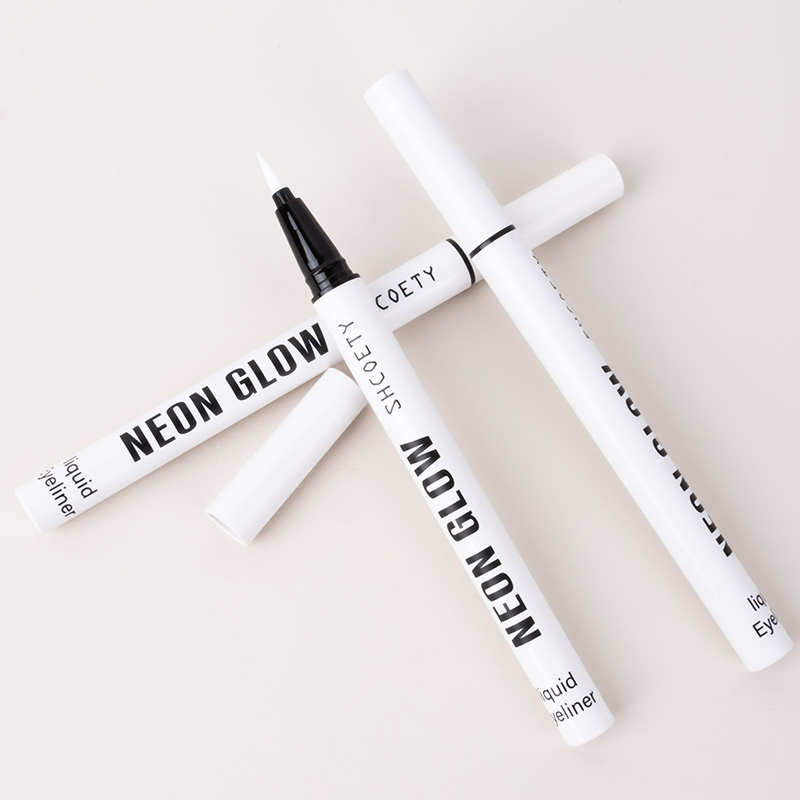
The foundation of any eyeliner or lip gloss begins with careful preparation of ingredients. Pigments, waxes, oils, and thickeners are measured and blended according to standardized formulations. Factories often maintain detailed records of ingredient sources, proportions, and batch numbers. This documentation allows the same formula to be replicated consistently, reducing variation between batches. For eyeliners, particular attention is given to the type and concentration of pigments, as they determine the color intensity and texture of the finished product.
Proper mixing ensures even distribution of pigments and other components. Factories use controlled temperature settings and mixing speeds to maintain uniformity. Homogenization equipment can help disperse pigments thoroughly, avoiding clumping or uneven coloring. For lip glosses, mixing must balance viscosity and shine, while eyeliners require smooth consistency to allow precise application. Adjusting the mixing sequence and duration according to the formula is a standard practice to maintain consistency across different production runs.
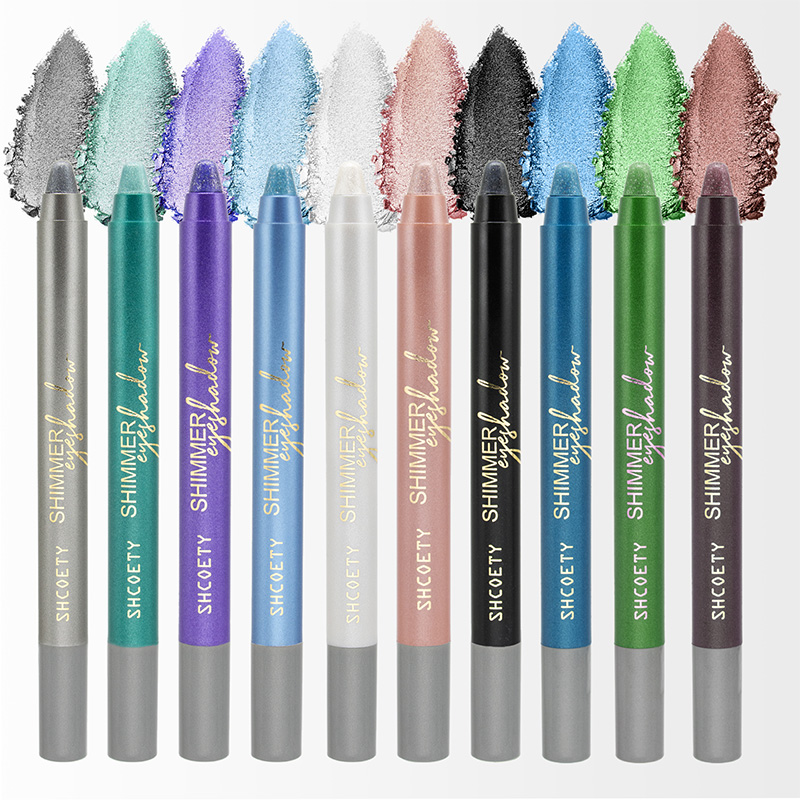
Once formulations are prepared, the products are shaped and packaged. Eyeliners may be molded into pencil forms, liquid eyeliner pens, or gel pots. Factories use machines that control the amount of product dispensed and the dimensions of the final shape. For lip glosses, filling tubes or containers is done under monitored conditions to ensure that each unit contains the same volume and maintains a uniform surface appearance. Controlled filling prevents inconsistencies that can arise from manual handling or uneven measurement.
Regular inspection at key stages of production is essential for maintaining consistency. Factories evaluate samples for color accuracy, texture, and pigment dispersion. Eyeliners are checked for smoothness, hardness, or fluid flow depending on the product type, while lip gloss samples are tested for spreadability and visual uniformity. By comparing new batches to reference samples, staff can identify variations and adjust the process before large-scale production continues.
Environmental factors such as temperature and humidity can affect both formulation and stability. Factories maintain controlled conditions during mixing, molding, and cooling to reduce variation. For example, certain waxes and oils solidify or soften at different temperatures, which can influence eyeliner hardness or lip gloss viscosity. Monitoring and adjusting environmental conditions helps maintain uniform texture and appearance across production batches.
Maintaining and calibrating production equipment is another key technique for consistency. Machines for mixing, molding, and filling are regularly checked to ensure they operate within specified parameters. Proper maintenance prevents deviations that could affect product size, texture, or pigment distribution. Staff training in equipment handling also contributes to uniform output and reduces errors during production.
Detailed records of each production batch, including ingredient sources, mixing conditions, and equipment settings, allow factories to reproduce products reliably. Monitoring production processes and keeping reference samples provides a framework for adjusting formulations if needed. This approach helps both lip gloss and eyeliner lines maintain consistent appearance and handling, even when producing multiple batches over time.
Share:
Related Products

CONTACT US
 +86-13735915463
 +86-0578-6123999
18857730868
 +86-13735915463
 No.10 Shuguang Road,Wudu Industrial Area,Qingyuan County,Lishui City,Zhejiang Province, China
Mobile

Cosmetic Makeup Products Manufacturer