+86-13735915463
 Language
  Español
 русский
 中文简体
中文简体

 0
0
0
0
Jan 30, 2026
Choosing the right eyeliner can significantly influence how the eyes appear and complement overall makeup. At a Professional Lip Gloss Factory and a Professional Eyeliner Factory, products are designed to accommodate different preferences, finishes, and application techniques, allowing brands to offer a variety of options for consumers. Understanding the relationship between eyeliner types and eye shapes helps users make informed choices when selecting products.
Common shapes include almond, round, hooded, monolid, and downturned eyes. Each type presents different challenges and opportunities for defining the eyes. Almond-shaped eyes are typically considered symmetrical and allow for a wide range of eyeliner styles. Round eyes may benefit from eyeliner that elongates or balances the eye’s width. Hooded eyes require careful application to ensure the liner remains visible when the eyelid folds, while monolid eyes often need a thicker or more prominent line to provide definition. Downturned eyes may appear lifted when the eyeliner is applied with an upward angle at the outer corner.
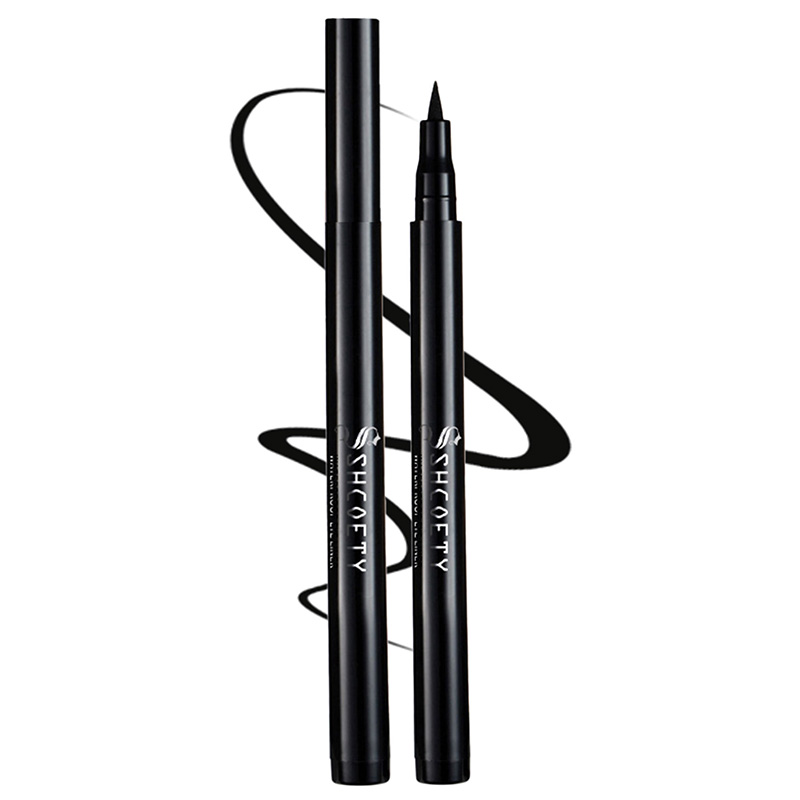
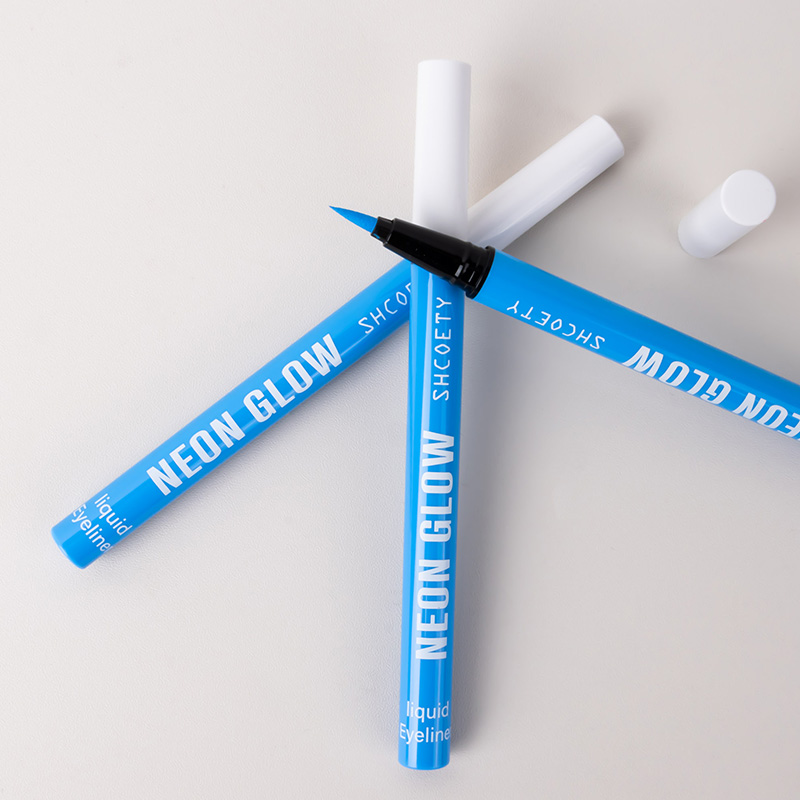
Eyeliners come in various formulations, including pencil, gel, liquid, and cream. Each type interacts differently with the skin and lashes. Pencils offer control and are suitable for soft or natural looks. Gel eyeliners, often applied with a brush, allow for smoother lines and more variation in thickness. Liquid eyeliners can provide precise and consistent lines, making them useful for sharp or detailed styles. Cream eyeliners are flexible and can blend easily, making them suitable for smudged or smoky effects. Understanding these options enables users to match the product to both their skill level and desired look.
The thickness and placement of eyeliner are influenced by the shape of the eye. For almond eyes, a thin line along the upper lash line can enhance natural symmetry. Round eyes may benefit from slightly extended lines at the outer corners to create the appearance of length. Hooded eyes often require a line that is visible when the eyes are open, which may involve applying the liner slightly above the natural lash line. Monolid eyes may need a thicker line to add dimension, while downturned eyes can use a subtle upward flick to balance the downward angle. These considerations help ensure the eyeliner complements rather than conflicts with the eye’s natural structure.
While black is a traditional choice, other shades can provide subtle differences in appearance. Brown, navy, and deep plum are often used for softer looks, while white or light-colored liners can open the eyes visually. The finish—matte, glossy, or metallic—also affects the perception of eye size and shape. Factories producing professional eyeliners consider pigment stability and blending properties to provide products that perform consistently across different eye shapes and skin types.
Different eyeliner types may require specific tools for application. Pencil eyeliners often come with built-in sharpeners or smudgers, while gel liners require brushes with fine tips. Liquid eyeliners may use felt or brush tips designed for precision. The choice of tool can influence line accuracy and consistency. Factories test products with various applicators to ensure smooth application and uniform color deposition, helping users achieve the intended effect for their eye shape.
For those who frequently apply eyeliner, consistency is important. Using a single product for a particular eye shape can make it easier to replicate looks over time. Professional factories often provide guidelines for application techniques, helping users understand how to achieve similar results across multiple uses. Documentation and testing of formulations ensure that pencils, gels, and liquids perform similarly from batch to batch, reducing surprises when selecting products for different eye shapes.
Selecting the appropriate eyeliner type involves consideration of eye shape, formulation, line thickness, color, and application tools. By understanding these factors, users can choose products that suit their natural features and desired appearance. Professional lip gloss and eyeliner factories design products with flexibility in mind, supporting a range of techniques and preferences while maintaining uniform quality across batches.
Share:
Related Products

CONTACT US
 +86-13735915463
 +86-0578-6123999
18857730868
 +86-13735915463
 No.10 Shuguang Road,Wudu Industrial Area,Qingyuan County,Lishui City,Zhejiang Province, China
Mobile

Cosmetic Makeup Products Manufacturer