+86-13735915463
 Language
  Español
 русский
 中文简体
中文简体

 0
0
0
0
Jan 16, 2026
Maintaining consistent quality in cosmetics is a central concern for brands and manufacturers. A Professional Lip Gloss Factory and a Professional Eyeliner Factory focus on standardizing production to ensure that each batch meets the same expectations for texture, color, and performance. Product consistency is not only important for customer satisfaction but also for efficient inventory management and minimizing waste during production.
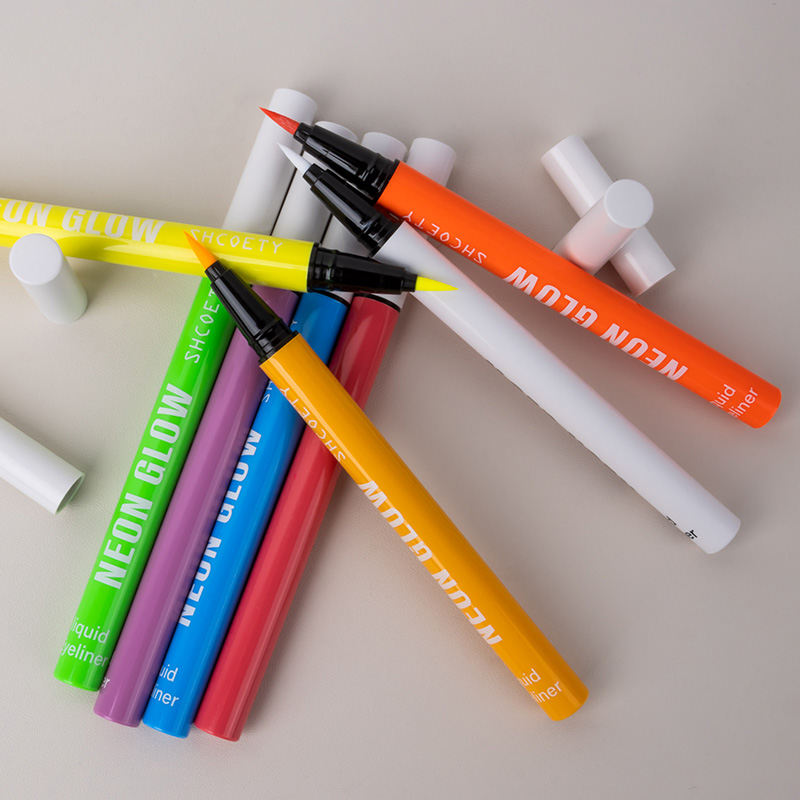
The step in improving product consistency is to establish clear formulation guidelines. Using a consistent set of ingredients, including pigments, oils, waxes, and thickeners, allows factories to reproduce shades and textures accurately. Factories often maintain detailed documentation of ingredient sources, batch numbers, and proportions, so that any reproduction of a product can follow the same specifications. This documentation also helps when changes are required, such as replacing a pigment or adjusting a base component, ensuring that adjustments do not alter the overall appearance or feel of the product.
Uniformity in mixing and manufacturing is another critical factor. Lip glosses and eyeliners undergo multiple stages, including melting, blending, and cooling. Factories often use equipment that can maintain consistent temperature, mixing speed, and duration, which reduces variation between batches. Even minor differences in these parameters can change the final texture or color distribution, so carefully monitored processes help maintain uniformity. Operators may also use automated systems to track these parameters and alert staff when deviations occur, allowing timely adjustments during production.
Regular inspection at each stage of production contributes to consistent results. Factories typically evaluate the product during sample runs, checking color, viscosity, and pigment dispersion. For eyeliners, attention is given to pencil hardness or liquid flow, while lip gloss is tested for spreadability and shine. Samples can be compared to reference batches to verify that they match expectations. This stage also allows minor corrections before large-scale production, preventing inconsistencies from reaching the final product.
Maintaining reference samples and detailed batch records helps factories recreate products accurately. Each batch is documented with notes on ingredient sources, mixing conditions, and any minor adjustments made during production. Reference samples serve as visual and tactile guides, enabling staff to compare new batches and confirm alignment with previous runs. Over time, these records build a reliable system for standardization and reduce trial-and-error in reproduction.
Consistency extends beyond the formulation itself. Packaging can affect how a product is used and perceived. For example, lip gloss viscosity may appear different if the applicator delivers varying amounts, while eyeliner pencils may produce uneven lines if sharpened inconsistently. Factories can test packaging types alongside the product to ensure that the user experience remains stable across batches. Clear labeling of shades and batch numbers also helps retailers manage inventory and maintain consistency in sales.
Human factors play a role in product consistency. Regular training ensures that staff understand the importance of following standard procedures and can identify deviations during production. Factories may conduct periodic process reviews to evaluate equipment performance, ingredient quality, and production steps. By keeping staff informed and processes under observation, factories reduce variation caused by operational differences or procedural drift.
Product consistency requires ongoing monitoring. Periodic review of batches, comparison with reference samples, and feedback from clients help identify patterns or changes that may affect uniformity. Adjustments can then be made to ingredients, process parameters, or equipment settings. Maintaining a balance between flexibility and adherence to documented procedures allows a factory to respond to practical issues without compromising consistency.
Improving consistency at a professional lip gloss or eyeliner factory involves attention to formulation, equipment, inspection, documentation, and training. By integrating these practices, factories can maintain stable quality across multiple batches, helping brands present products that meet expected appearance and handling standards while reducing variability in production and use.
Share:
Related Products

CONTACT US
 +86-13735915463
 +86-0578-6123999
18857730868
 +86-13735915463
 No.10 Shuguang Road,Wudu Industrial Area,Qingyuan County,Lishui City,Zhejiang Province, China
Mobile

Cosmetic Makeup Products Manufacturer