+86-13735915463
 Language
  Español
 русский
 中文简体
中文简体

 0
0
0
0
Jan 09, 2026
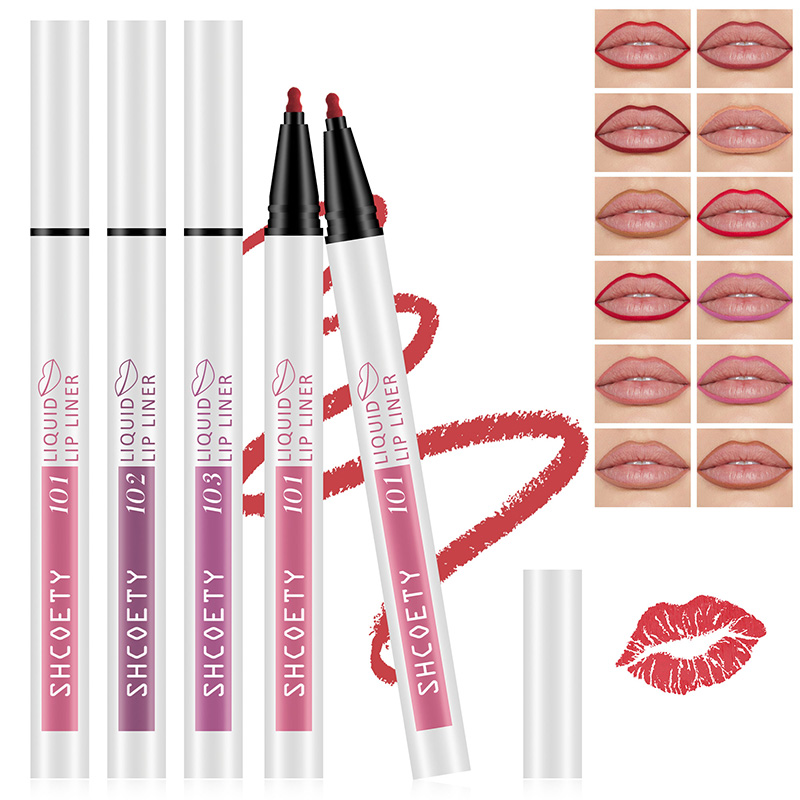
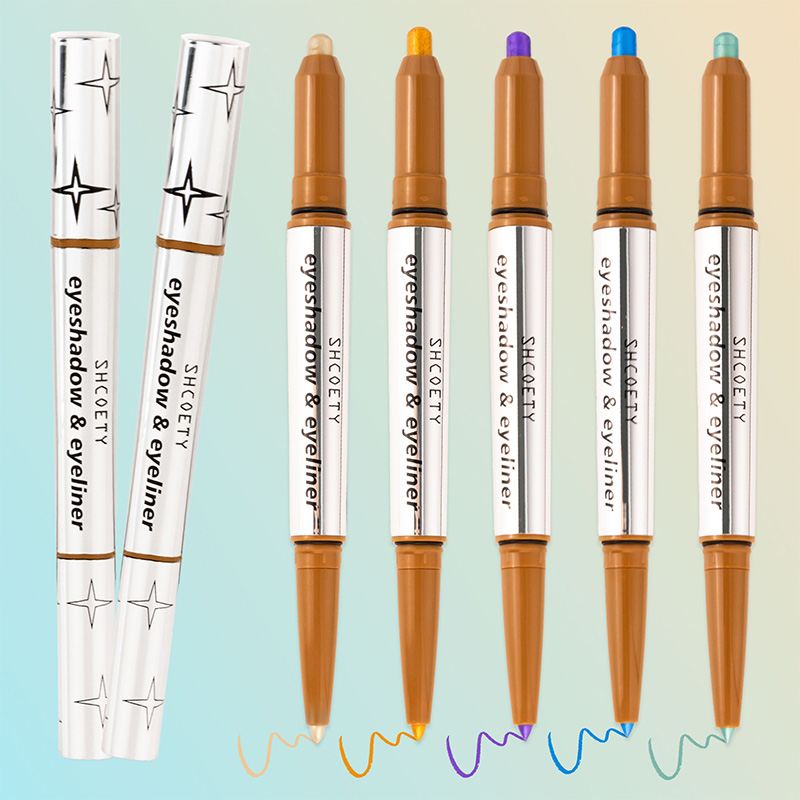
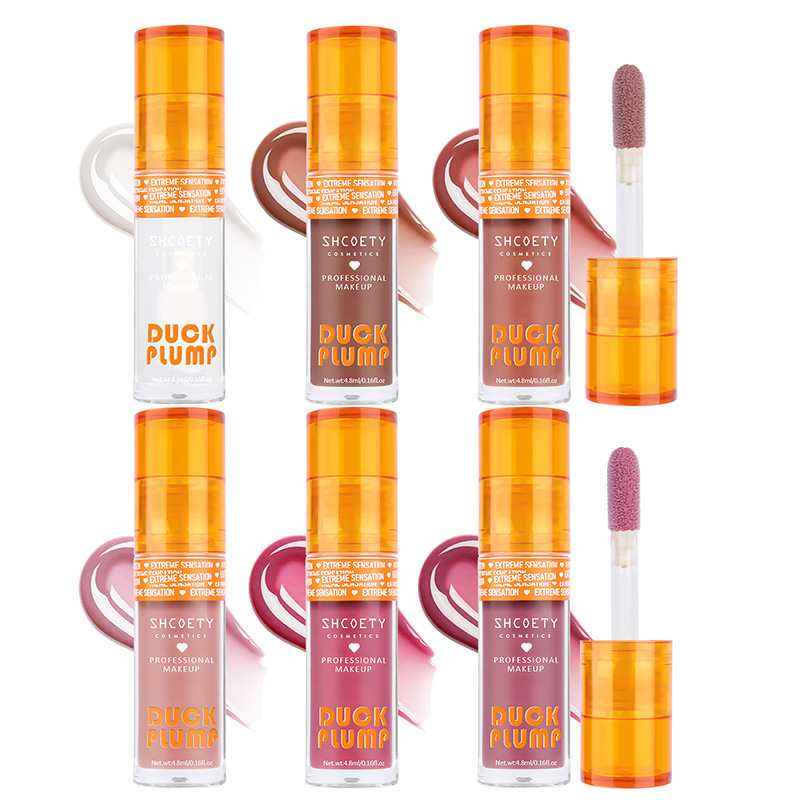
Creating personalized makeup shades has become a common practice for brands and retailers seeking to offer unique options to their customers. At a Professional Lip Gloss Factory and a Professional Eyeliner Factory, customizing colors and finishes involves both careful planning and clear communication to ensure the end product aligns with expectations.
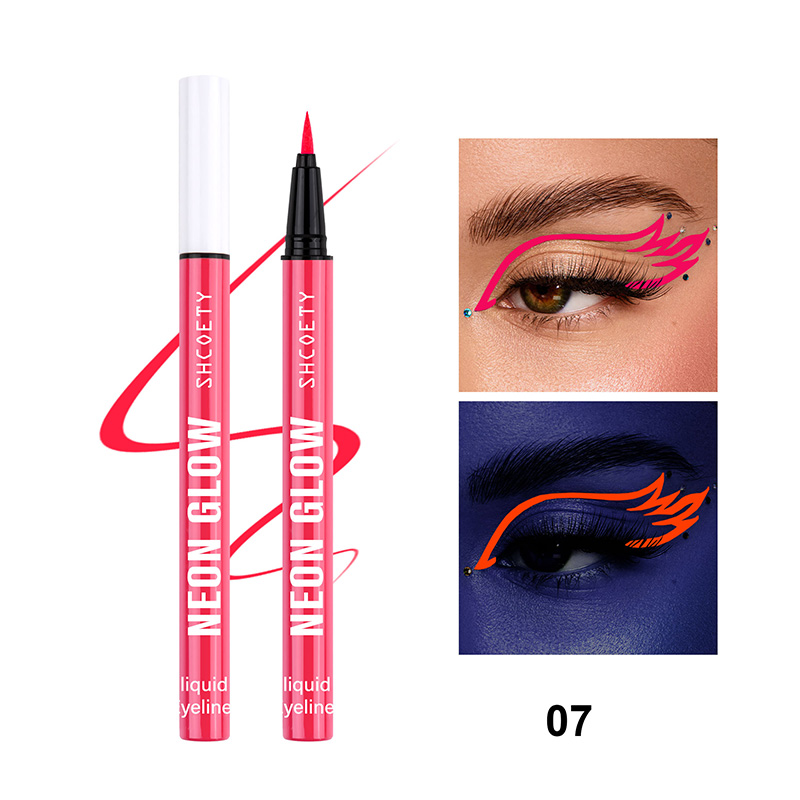
Before starting the customization process, it is important to understand the range of colors available. Factories typically work with a variety of pigments, including natural mineral-based options and synthetic colorants. Each type of pigment interacts differently with the base formulation, affecting the final appearance and texture. Discussing the desired tone and finish with the manufacturer helps to determine whether a glossy, matte, or shimmer effect is more suitable for the intended product line.
The base formulation of a lip gloss or eyeliner can influence how the pigment appears once applied. Lip glosses, for example, can be made with oil-based, water-based, or hybrid formulas, each offering a different level of transparency and consistency. Eyeliners may vary from pencil types to liquid or gel formulations, which also impacts how pigments mix and settle. Choosing the appropriate base helps maintain consistency across different shades and ensures that each customized option performs in line with its intended use.
A practical approach to achieving a specific color involves iterative testing. Factories usually provide small sample batches, allowing brands to evaluate the shade in various lighting conditions and on different skin tones. Feedback at this stage is critical to making incremental adjustments in pigment concentration or formulation. This process also enables brands to understand how the product may interact with other makeup items, such as lip liners or eyeshadow palettes, ensuring harmonious color coordination.
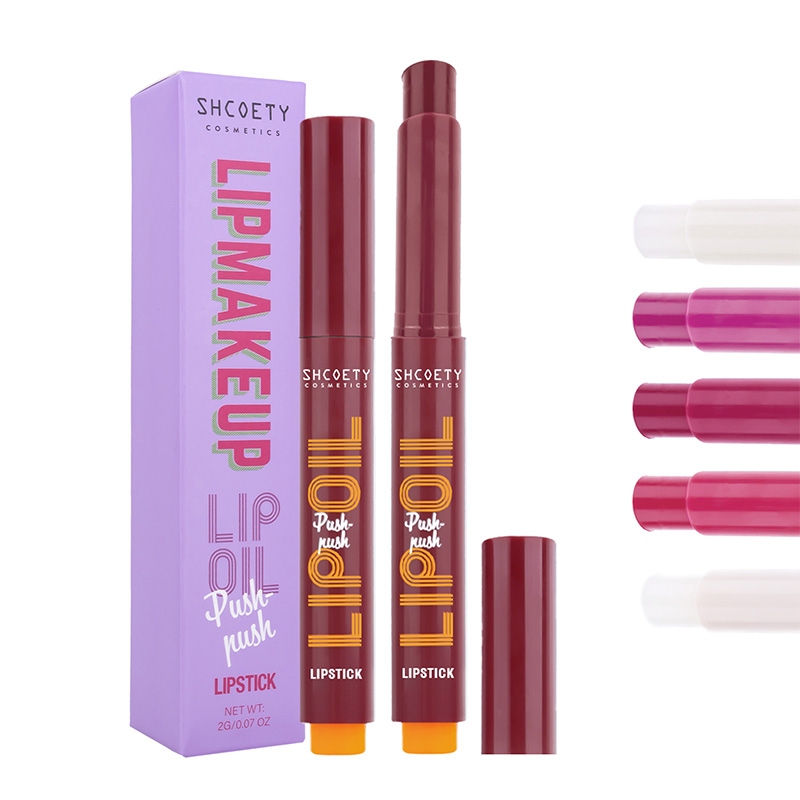
Once the desired shade is finalized, attention turns to packaging. Customized colors may be paired with specific tube designs, applicator types, or label printing to reflect the brand’s identity. Discussing packaging options at the same time as color development can streamline production and reduce the chance of mismatched components. Proper labeling is also essential to help end users distinguish between shades, especially when multiple variations are offered in a single collection.
Consistency is a key factor when producing multiple batches of customized shades. Factories often maintain detailed records of formulations, mixing procedures, and pigment sources to reproduce colors accurately. For brands, it is helpful to establish a reference sample or color code that can guide future orders. Regular communication with the manufacturer ensures that adjustments or changes to the formula are documented, reducing the likelihood of variation between production runs.
Even when focusing on aesthetic customization, factories operate under regulations related to cosmetic safety. Pigments and ingredients are selected not only for their visual properties but also for compliance with local or international standards. Discussing these requirements in advance ensures that the customized shades meet applicable safety and labeling rules without causing delays in production.
Working closely with a factory allows brands to plan for seasonal collections, limited editions, or exclusive collaborations. By sharing trends, consumer preferences, and feedback data, brands can explore new color ideas and finishes efficiently. This collaboration helps maintain flexibility while managing practical constraints such as formulation stability, shelf life, and production capacity.
Customizing shades at a professional lip gloss or eyeliner factory is a process that combines technical expertise, experimentation, and clear communication. By carefully selecting pigments, refining formulations, and coordinating packaging, brands can create a coherent product line that meets their design goals while remaining consistent and compliant with industry practices.
Share:
Related Products

CONTACT US
 +86-13735915463
 +86-0578-6123999
18857730868
 +86-13735915463
 No.10 Shuguang Road,Wudu Industrial Area,Qingyuan County,Lishui City,Zhejiang Province, China
Mobile

Cosmetic Makeup Products Manufacturer