+86-13735915463
 Language
  Español
 русский
 中文简体
中文简体

 0
0
0
0
May 01, 2026
Consistency is often one of the main concerns for brands developing cosmetic products across multiple batches and markets. In this process, a Professional Highlighter Factory plays a key role in maintaining stable production standards, while products such as Eyebrow Cream also rely on similar formulation control and manufacturing precision. When consistency is well managed, users are more likely to experience the same texture, shade, and usability each time they purchase a product.
Product consistency goes beyond having the same color name or packaging design. It includes how the product feels during application, how evenly the pigment appears, and whether the texture remains stable over time. For items like eyebrow cream, this means that each batch should offer similar spreadability and color intensity so users can follow the same routine without adjusting their technique.
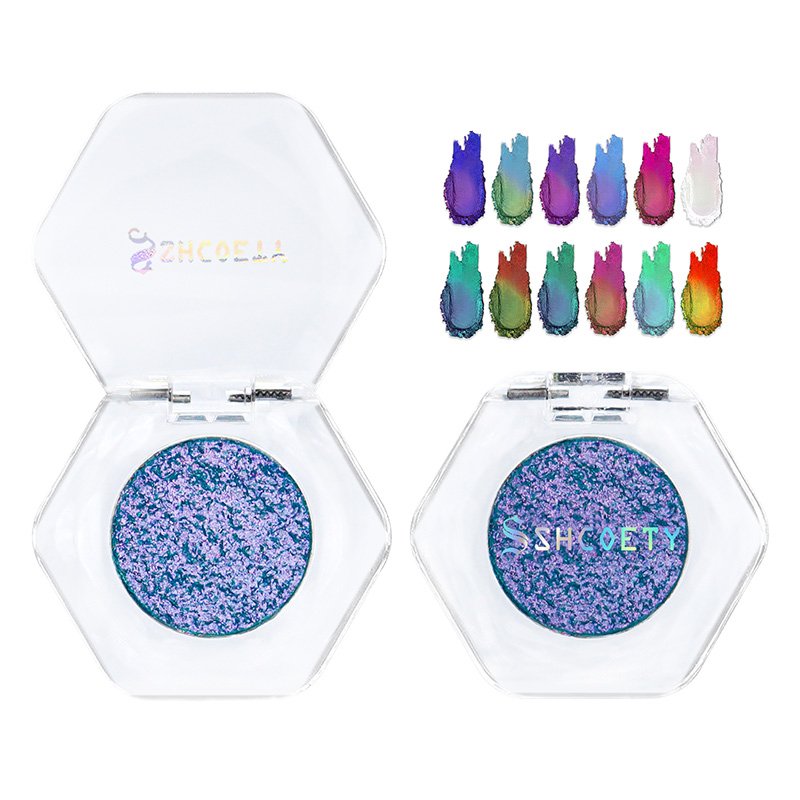
In highlighter production, consistency is often linked to particle distribution and base formulation. If shimmer particles are uneven or if the base texture changes slightly, the final appearance may differ under lighting. These small variations can affect user perception, especially when products are used regularly or featured in visual content.

Production methods have a direct impact on how consistent a product remains from one batch to another. Controlled mixing, precise temperature management, and standardized filling processes all contribute to reducing variation.
For example, maintaining stable conditions during production helps ensure that ingredients are properly blended. This is particularly important for cream-based products, where slight differences in formulation can affect texture. In the case of eyebrow cream, uneven mixing may result in inconsistent pigment distribution, which can make application less predictable.
In addition, quality checks during and after production allow manufacturers to identify variations early. This helps maintain uniformity before products reach the market.
Comparing Consistency Challenges Across Product Types
|
Aspect |
Eyebrow Cream |
Highlighter Product |
|
Texture Sensitivity |
Affects blending and control |
Affects spread and finish |
|
Pigment Distribution |
Impacts color uniformity |
Impacts light reflection |
|
Batch Variation Impact |
Visible during application |
Visible under lighting |
|
User Adjustment Needed |
May require technique changes |
May require layering changes |
his comparison shows that while the specific challenges differ, both product types require careful control to maintain consistency.
When evaluating a manufacturing partner, brands may consider several practical aspects:
Production capacity that matches demand without frequent changes in process
Clear communication regarding formulation adjustments and limitations
Ability to maintain consistent raw material sourcing
Transparent quality control procedures
Flexibility to support product updates without disrupting consistency
These considerations can help brands build a more stable supply chain and reduce unexpected variation.
Some may assume that minor variations are unavoidable and do not affect user experience. While small differences can occur, noticeable changes in texture or color can influence how a product is used. For example, if an eyebrow cream becomes slightly drier in one batch, users may need to apply more pressure or product, which can affect the final look.
Another misunderstanding is that consistency only matters for large-scale brands. In reality, even smaller product lines benefit from maintaining stable characteristics, as this helps build user familiarity over time.
Q1: Why is consistency important in cosmetic products?
It helps ensure that users can achieve similar results each time they use the product without changing their routine.
Q2: How does a Professional Highlighter Factory support consistency?
By maintaining controlled production processes, standardized formulations, and regular quality checks.
Q3: Can small formulation changes affect product performance?
Yes, even slight differences in ingredient ratios can influence texture, color, and application behavior.
Q4: Is consistency equally important for all cosmetic products?
While the impact may vary, many products benefit from stable performance and predictable results.
Q5: How can brands verify product consistency?
Through batch testing, user feedback, and ongoing quality monitoring.
Q6: Does consistency limit product innovation?
Not necessarily; new products can be developed while maintaining stable characteristics within each version.
Share:
Related Products

CONTACT US
 +86-13735915463
 +86-0578-6123999
18857730868
 +86-13735915463
 No.10 Shuguang Road,Wudu Industrial Area,Qingyuan County,Lishui City,Zhejiang Province, China
Mobile

Cosmetic Makeup Products Manufacturer