+86-13735915463
 Language
  Español
 русский
 中文简体
中文简体

 0
0
0
0
May 08, 2026
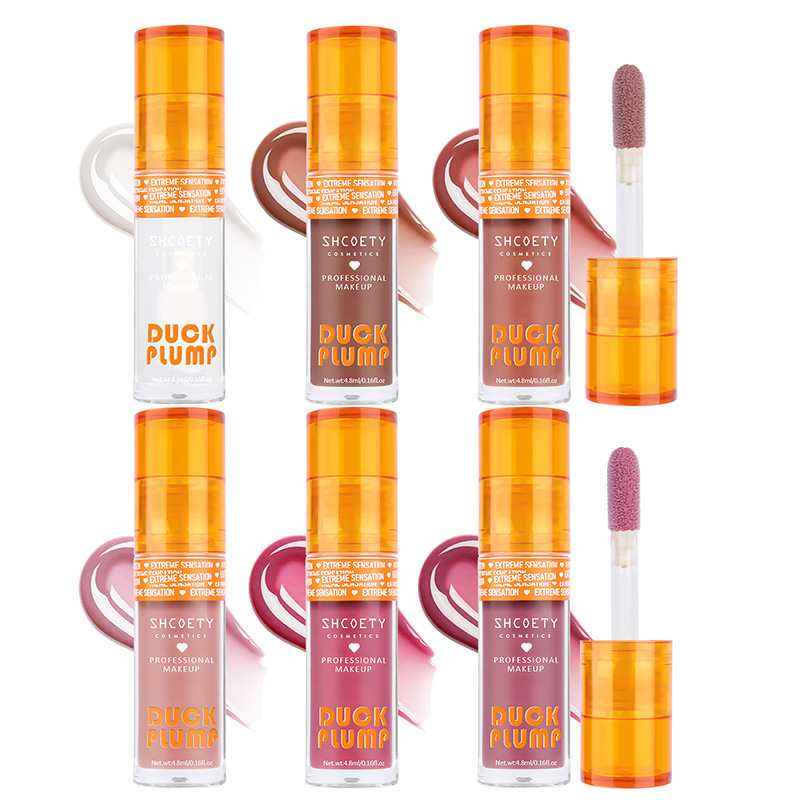
Lip Oil, Professional Lip Oil Factory is increasingly associated with evolving consumer expectations for lip care products, especially as users look for textures that feel lighter and more adaptable for daily routines. A shift toward lightweight formulations is shaping how lip oils are developed, focusing on comfort, wearability, and layered compatibility with makeup.
The recent attention on lightweight lip oil concepts reflects a broader change in personal care usage habits, where products are expected to support daily hydration without creating heaviness or residue. This direction is also influencing how formulation and production processes are being structured across professional manufacturing environments.
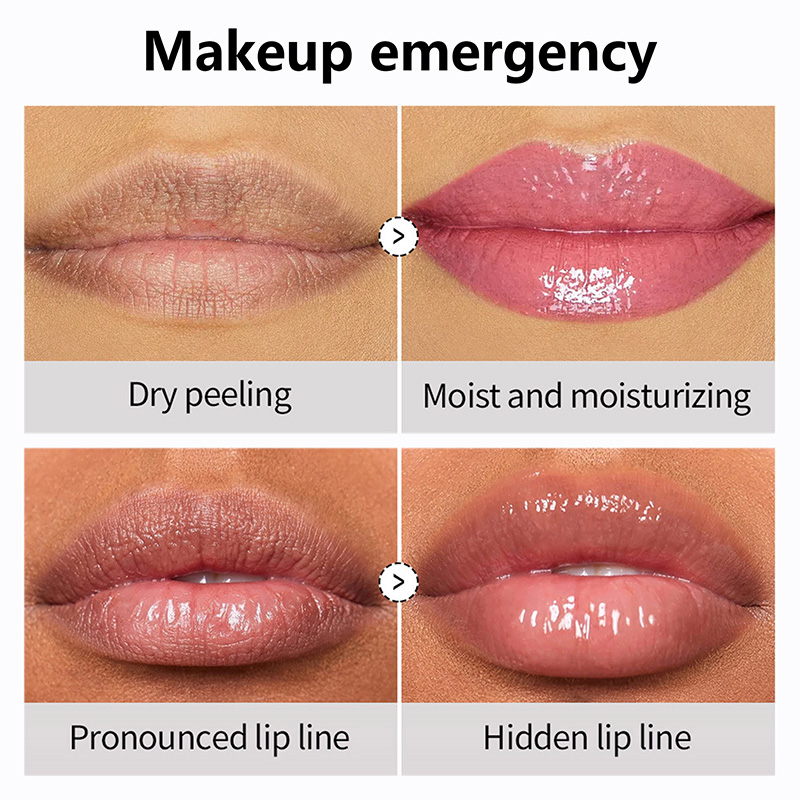
Lip care routines have gradually moved beyond seasonal application, becoming part of everyday cosmetic behavior. Many users now apply lip oil not only for visible gloss but also as part of a consistent hydration step throughout the day. However, traditional formulations sometimes feel thick or overly glossy, which can limit frequent reapplication or combination with other lip products.
Another factor is environmental variation. Indoor air conditioning, outdoor temperature shifts, and long screen exposure can all contribute to lip surface dryness. In these conditions, users tend to prefer products that maintain a balanced texture—neither too heavy nor too thin—so that repeated use remains comfortable across different environments.
At the same time, production requirements for lip oils have become more structured. A Professional Lip Oil Factory typically needs to balance ingredient compatibility, texture stability, and packaging adaptability while meeting different regional preferences for cosmetic feel and finish. This creates ongoing demand for formula adjustments that align with usage feedback.
The lightweight formula concept focuses on adjusting the oil phase composition and refining texture consistency so that the product spreads evenly without forming a dense layer. This does not change the basic function of lip oil as a conditioning product but redefines how it behaves on application.
In practical formulation design, several elements are commonly adjusted:
Rather than shifting the product into a different category, the formulation aims to maintain a consistent layer that supports hydration perception while allowing frequent reapplication during the day. Production lines in professional environments also focus on ensuring that the formula remains stable during filling and storage, especially in warm or variable climates.
Lightweight lip oil formulations are designed to fit into multiple usage habits without requiring strict application timing. Many users incorporate it into morning routines as a finishing step after lip color, while others apply it throughout the day as a standalone lip care product.
Typical usage scenarios include:
Morning makeup layering, where lip oil is applied after lipstick or tint to adjust surface texture and reduce dryness appearance without altering the base color. Midday reapplication during work or study sessions, where comfort and quick absorption become more important than visual shine intensity. Evening use as part of basic skincare, where a light layer supports overnight lip surface conditioning without a heavy coating feel.
In professional makeup settings, lightweight lip oil is also used to adjust lip texture during photoshoots or short events, where repeated touch-ups are required. The non-heavy structure allows makeup artists to manage appearance without changing the underlying lip color too frequently.
During product development cycles in a Professional Lip Oil Factory environment, feedback collection is often carried out through structured user panels. These panels typically evaluate texture perception, application frequency, and compatibility with other lip products.
Common observations from testing groups include:
In several controlled sample evaluations, participants reported that lighter textures made it easier to integrate lip oil into existing makeup routines without needing major adjustments. Some users also noted that they preferred a formula that could transition between standalone use and layering use without a noticeable change in texture behavior.
The development of lightweight lip oil reflects a broader trend in cosmetic formulation toward adaptable textures rather than single-function products. Instead of focusing solely on visual gloss or thickness, formulation teams are paying closer attention to how products behave across multiple applications during a single day.
From a manufacturing perspective, this also influences production priorities. Consistency between batches, ingredient stability during temperature changes, and compatibility with different packaging materials are becoming central considerations. As lip oil continues to be used in both skincare and makeup contexts, flexibility in formulation design is becoming more relevant than fixed texture definitions.
It refers to a formulation designed to feel less dense on the lips while still providing a smooth coating layer. The texture is adjusted to spread evenly without leaving a heavy residue.
Traditional lip oils often have a thicker or more glossy feel. Lightweight versions focus on a softer texture that supports frequent reapplication and layering with other lip products.
Yes. Many users apply lip oil over lipstick to adjust surface texture and add a smoother finish without changing the base color significantly.
It is designed for repeated use throughout the day, especially in environments where lips may feel dry due to air conditioning or weather changes.
Share:

CONTACT US
 +86-13735915463
 +86-0578-6123999
18857730868
 +86-13735915463
 No.10 Shuguang Road,Wudu Industrial Area,Qingyuan County,Lishui City,Zhejiang Province, China
Mobile

Cosmetic Makeup Products Manufacturer