+86-13735915463
 Language
  Español
 русский
 中文简体
中文简体

 0
0
0
0
Dec 26, 2025
A growing number of makeup users today pay attention not only to the look of a product but also to how it fits into their routines, which explains why a Professional Blush Factory or a Professional Concealer Factory often studies lifestyle changes before preparing new releases. These factories are not simply developing colors and textures; they must understand how people work, travel, socialize, and care for their skin. Lifestyle shifts often determine the types of shades, finishes, and packaging that move into production, helping users find items that feel more aligned with their everyday experiences.
Many users now prefer makeup that supports brief and simple routines. This preference influences both blush and concealer development, particularly in areas such as texture and blendability. Factories often explore formulations that spread smoothly with minimal time, since many consumers apply makeup at home, during a commute, or right before a meeting.
A blush texture that blends easily reduces the need for advanced application skills. Similarly, concealer consistency is often adjusted so that a small amount distributes evenly without repeated layering. These considerations address practical needs—people do not always have the time for detailed techniques, yet they value steady results that fit into tight schedules.
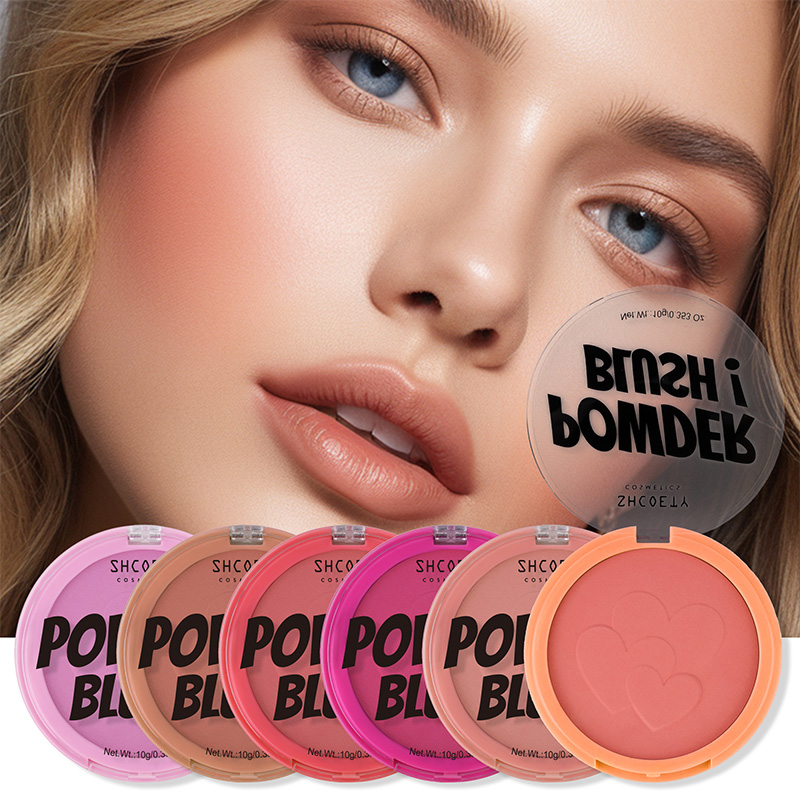
A widely observed trend is the preference for makeup that appears subtle and reflects one’s actual skin tone. This doesn’t mean less color, but rather shades that settle softly into the skin without looking overly intense. A Professional Blush Factory evaluates undertones carefully to create colors that suit warm, cool, or neutral skin bases.
Lifestyle photographs and daily social media posts have encouraged more users to choose products that photograph well under different lighting. As a result, undertone analysis becomes an important part of shade design. For concealers, factories consider how the formula interacts with various foundations that users commonly mix during their routines.
Many people now pay closer attention to product ingredients, especially if their skin reacts easily. This encourages factories to review pigment sources, evaluate potential irritants, and develop textures that feel comfortable even after hours of wear.
Blush formulas may be refined to reduce dryness, while concealers may include components that support smoother blending under the eyes, where the skin is thinner. Testing for different skin conditions—oiliness, dryness, or combination zones—helps ensure that the final launch aligns with realistic usage conditions rather than laboratory-only scenarios.
As daily routines become more mobile, packaging design strongly influences new product launches. Compact blush containers and travel-friendly concealer tubes are increasingly valued. A Professional Blush Factory considers how the product withstands movements inside handbags or pockets, ensuring that the color remains stable and the container stays secure.
On-the-go lifestyles also influence applicator design. Users may prefer built-in mirrors, small brush compartments, or squeeze tubes for quick touch-ups. Factories respond by testing packaging durability and monitoring how easily users can apply the product without additional tools.
Outdoor lifestyles, such as hiking, commuting on foot, or spending more time under natural sunlight, influence color choices for blush and concealer. Factories study how certain pigments appear under daylight, since many people spend large portions of their day outside.
For example:
• warmer blush shades may connect well with summer activities,
• cooler rose tones often accompany winter looks,
• and medium neutrals suit transitional seasons.
Concealer factories may also adjust formula densities to accommodate weather changes. Creamier textures may feel more comfortable in dry climates, while lightweight formulas may suit humid environments. These decisions reflect lifestyle trends rather than aesthetic trends alone.
Users increasingly value makeup that can perform multiple roles. A blush that doubles as an eyeshadow or a lip tint reduces the number of products someone needs to carry. This preference encourages factories to explore pigments and textures that adapt across different areas of the face.
For concealers, the trend may encourage formulas that transition easily between under-eye use and spot correction without appearing fragmented. Developers examine how pigments sit on various parts of the skin to support flexible daily routines.
Lifestyle trends evolve quickly online, and makeup factories often observe the types of looks users share. For blush, popular themes might include monochromatic styles, lifted-cheek placements, or soft-blend techniques. These shifts influence factories to modify pigment intensity or powder fineness based on common user habits.
Share:
Related Products

CONTACT US
 +86-13735915463
 +86-0578-6123999
18857730868
 +86-13735915463
 No.10 Shuguang Road,Wudu Industrial Area,Qingyuan County,Lishui City,Zhejiang Province, China
Mobile

Cosmetic Makeup Products Manufacturer