+86-13735915463
 Language
  Español
 русский
 中文简体
中文简体

 0
0
0
0
Dec 19, 2025
Many users are familiar with how blush appears in its final form, yet few know how a Professional Blush Factory or a Professional Concealer Factory actually develops the shades that end up on store shelves. Color creation is not a simple mixing of pigments; it involves a sequence of technical, sensory, and compatibility-based decisions. Understanding these workflows can help users choose products that align more closely with their skin tone, comfort preferences, and daily usage needs.
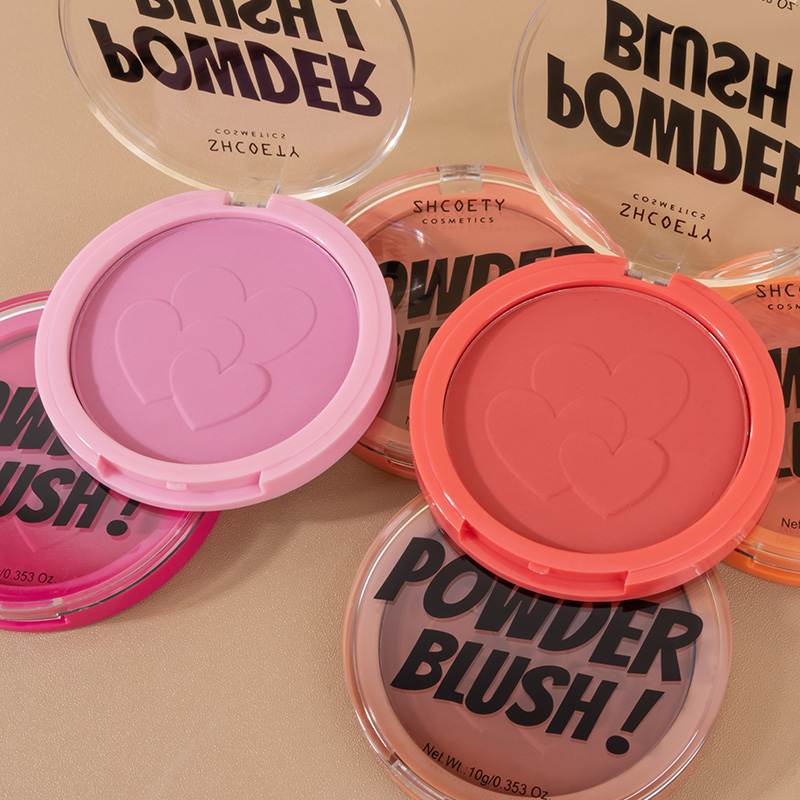
Before a blush shade reaches the production line, developers collect references from real skin tones. This research helps determine which undertones—whether warm, cool, or neutral—are needed in the final range. Undertones influence how a blush or concealer interacts with the skin’s natural appearance, so factories examine how pigments behave under different lighting conditions.
This stage often includes reviewing demographic data, studying regional preferences, and analyzing how colors appear on fair, medium, and deep tones. Color specialists also test how the pigments shift when blended across oily, dry, or combination skin types, since texture influences how the shade appears in daily use. These observations guide the early structure of the color palette.
Color design involves choosing pigments that can maintain consistency once blended with oils, powders, or creams. A blush manufacturer evaluates multiple pigment grades to understand how they disperse in different bases. Some pigments may create streaks or patchiness; others may require higher blending to achieve an even tone.
Factories also examine how pigments behave over time. Temperature, humidity, and light exposure can alter a shade. Stability assessments help determine whether a color stays true during storage and use. This step benefits users because a stable shade reduces the chance of unexpected shifts on the skin.
One workflow that often stays behind the scenes is iterative blending. Technicians combine small pigment batches while monitoring intensity levels. A slight adjustment—a touch more red, a reduced amount of brown, or a softer yellow tone—can significantly alter the final result.
Professional blending methods help blush achieve buildable coverage. Too much intensity can make the product difficult to control, requiring users to blend longer, which may cause discomfort for those with sensitive skin. Too little intensity may require repeated layering. Balancing these elements ensures the blush can be used flexibly for different looks.
Concealer factories perform similar blending trials. They aim to create shades that align with various undertones without appearing overly bright or dull, which supports more natural-looking coverage.
Texture can change how a blush shade looks after application. A matte powder may appear slightly softer, while a cream formula might appear warmer due to increased light reflection. Because of this, factories test the same pigment blend through several base formulations to observe subtle changes.
For powder blushes, technicians study how finely milled the pigments need to be to create even distribution. The milling process influences smoothness, blendability, and how much color appears with each brush stroke.
For cream blushes, emulsifiers and oils require careful proportioning. Too much density may cause the product to drag on the skin, affecting color consistency. Lighter textures allow for smoother blending, which helps maintain the shade’s intended tone.
Color design is closely connected to ingredient tolerance. A blush factory evaluates whether selected pigments meet safety requirements for sensitive or easily irritated skin. Some pigments may contain trace elements that require further refinement. Others may interact differently with hydrating components in the formula.
Compatibility testing extends to concealer formulas as well. Developers check whether pigments interact with emollients or moisturizing elements in ways that might create uneven application. These assessments aim to support users who prefer products that feel comfortable on the skin for extended periods.
The type of applicator can influence final shade appearance. Brushes made with different fibers pick up and deposit pigment in varied amounts. Sponge applicators absorb more product, producing a lighter effect. Understanding this helps manufacturers decide how much pigment a blush should deliver with a single swipe.
During testing, developers apply each shade using multiple tools to ensure predictable results. This approach benefits users who apply makeup with different techniques at home, helping them achieve the expected look without repeated trial and error.
Share:
Related Products

CONTACT US
 +86-13735915463
 +86-0578-6123999
18857730868
 +86-13735915463
 No.10 Shuguang Road,Wudu Industrial Area,Qingyuan County,Lishui City,Zhejiang Province, China
Mobile

Cosmetic Makeup Products Manufacturer