+86-13735915463
 Language
  Español
 русский
 中文简体
中文简体

 0
0
0
0
Dec 12, 2025
Busy routines often force users with sensitive skin to be more cautious when selecting makeup products. Whether choosing a concealer for daily wear or a blush for occasional use, many people look for formulas that maintain comfort throughout the day. Understanding how a Professional Concealer Factory and a Professional Blush Factory approach ingredient selection, testing methods, and texture development can provide clearer guidance for individuals who experience redness, dryness, irritation, or other sensitivities.
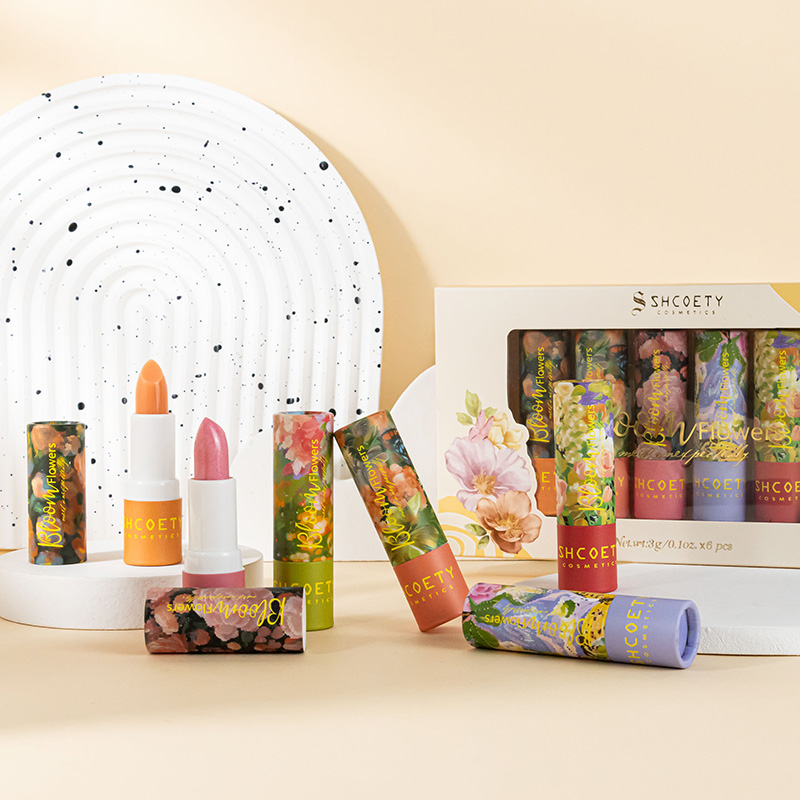
Sensitive skin often reacts to certain fragrances, dyes, or preservatives. For this reason, factories specializing in concealer production regularly review ingredient lists to reduce the chance of irritation. This includes selecting milder emulsifiers, softer pigments, and moisturizing elements that help the formula sit comfortably on the skin.
Many concealer formulas designed with sensitive skin in mind rely on a balanced combination of hydrating components, allowing the product to spread smoothly without friction. This approach helps users prevent dryness, especially around areas like the under eyes and nose, where the skin tends to be more delicate. A stable pigment blend is also important, as inconsistent particles may cause patchiness or require more pressure during application.
Blush factories follow similar ingredient principles, especially for powder and cream formats. Finely milled pigments and gentle binders create a softer texture, which is useful for customers who experience discomfort when blending standard formulas on sensitive or textured skin.
While sensitive skin varies from person to person, many manufacturers rely on dermatological testing to check how their formulas behave on different skin types. Instead of solely focusing on color performance, these tests often examine how the formula interacts with dryness, oiliness, or redness.
A professional concealer manufacturer may run stability tests to ensure ingredients stay consistent over time, especially when exposed to heat or light during storage. Stability reduces the risk of formula separation, which can change how the product applies on the skin.
Blush products undergo similar evaluations, ensuring the formula remains comfortable whether worn for a short period or throughout the day. These testing procedures help users make informed decisions and feel more at ease when choosing products that contact the skin regularly.
Rubbing or dragging makeup across the skin can cause discomfort for people who are sensitive to friction. Factories often address this by developing textures that require minimal effort during blending.
Concealers designed with soft, smooth application work well for covering redness and under-eye shadows without applying excessive pressure. Creamy but lightweight textures are also helpful because they allow the formula to move with the skin rather than sit heavily on top.
Blush textures follow the same concept. A powder that spreads evenly without clinging to dry patches or a cream blush that blends with light taps instead of repetitive motion can give sensitive skin users more control and less irritation. This is especially important for cheek areas where the skin may become flushed or warm easily.
Many people with sensitive skin also experience breakouts or redness. Non-comedogenic formulas are therefore important to reduce the chance of pore blockage. When factories develop concealers or blush products, they often choose ingredients that allow the skin to breathe more easily.
For concealers, this prevents a buildup of residue in small areas like around the nose or chin. Because these areas tend to produce more oil, avoiding formulas that sit too heavily on the skin can help maintain comfort.
Blushes benefit from this type of formulation as well. Powders or creams with lighter textures sit more naturally on the cheeks and reduce the chance of lingering residue after long wear. This contributes to a more consistent appearance throughout the day.
Sensitive skin often becomes more noticeable when makeup layers are too thick. To address this, manufacturers create shade ranges that allow users to find a closer match, reducing the need for heavy application.
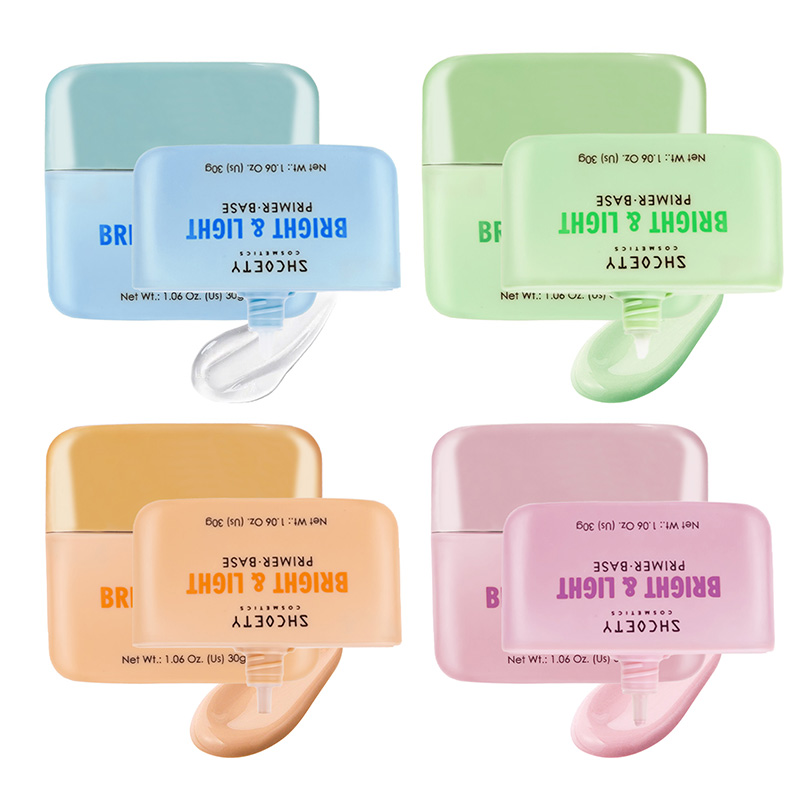
A concealer that aligns well with undertones—whether warm, neutral, or cool—requires fewer layers to achieve even coverage. This decreases friction during blending and helps maintain a more natural appearance.
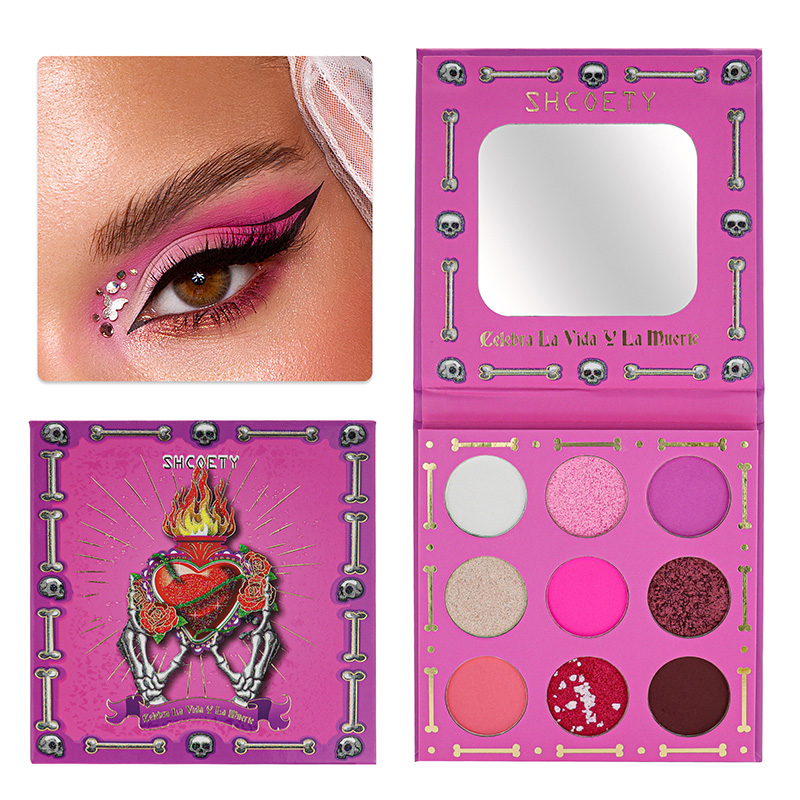
Blush factories also provide a diverse color range to help users choose tones that complement their complexion without needing over-application. Soft pinks, peach tones, muted corals, and deeper berries each serve different skin depths, making it easier for customers to find shades that appear seamless with their natural tone.
Share:
Related Products

CONTACT US
 +86-13735915463
 +86-0578-6123999
18857730868
 +86-13735915463
 No.10 Shuguang Road,Wudu Industrial Area,Qingyuan County,Lishui City,Zhejiang Province, China
Mobile

Cosmetic Makeup Products Manufacturer