+86-13735915463
 Language
  Español
 русский
 中文简体
中文简体

 0
0
0
0
Apr 17, 2026
Changing user preferences on short video platforms and visual-driven content channels are reshaping how cosmetic products are designed and manufactured. In this environment, a Professional Highlighter Factory often adjusts production strategies to align with fast-moving trends, while products like Eyebrow Cream are also influenced by similar shifts in texture, packaging, and usability. These developments are not only about appearance but also about how products perform under different lighting conditions and application scenarios commonly seen online.
Social media content tends to highlight close-up visuals, natural lighting, and real-time application, which places new demands on cosmetic formulations. Products are expected to look consistent both on camera and in person, which means textures need to blend smoothly without appearing patchy under high-resolution lenses.
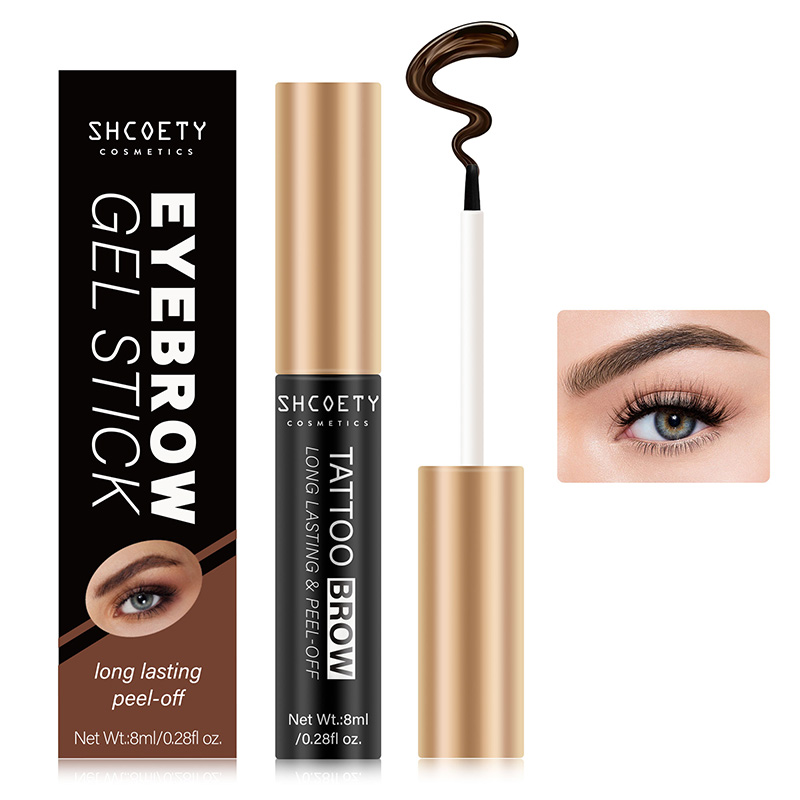
For highlighter products, this often translates into finer shimmer particles and more controlled reflectivity. For eyebrow cream, it means balanced pigmentation that allows users to build color gradually. The connection between these categories lies in how both are expected to deliver subtle yet visible results without overwhelming the overall makeup look.
Another factor is trend speed. Styles such as “clean girl makeup” or “soft glam” can gain popularity quickly, encouraging manufacturers to respond with adaptable production timelines and flexible formulation options.
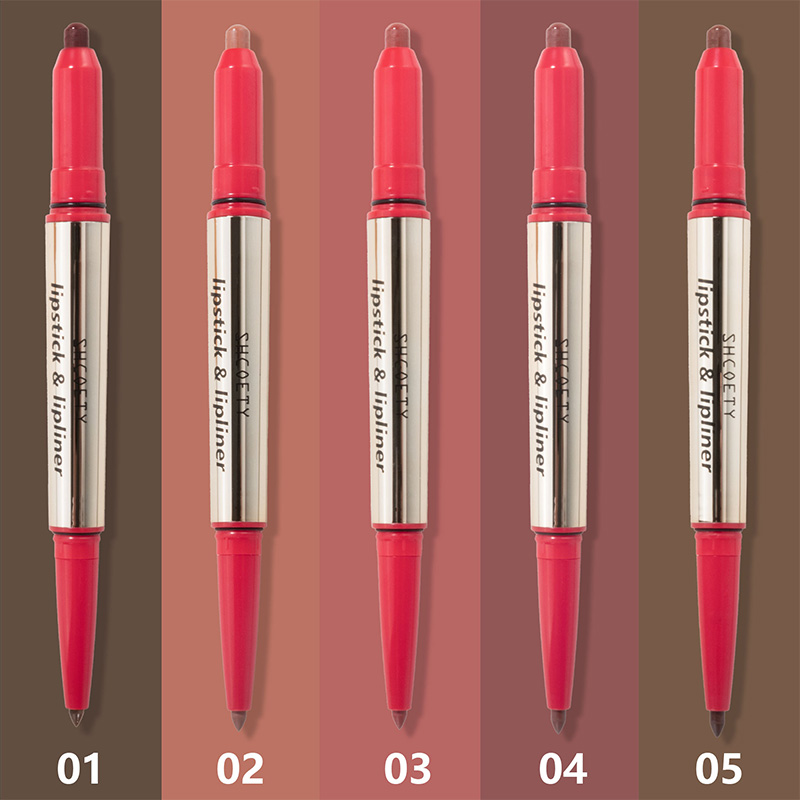
Lighting conditions used in social media—ring lights, natural daylight, or studio setups—can significantly affect how a product appears. As a result, formulation adjustments have become a practical focus.
For example, highlighter formulas may be developed with smoother bases to reduce visible texture on the skin. Similarly, eyebrow cream formulations often aim for even color payoff that does not appear too dense when viewed up close. This requires attention to ingredient ratios, pigment dispersion, and consistency.
Rather than focusing only on visual shine or color depth, manufacturers are also considering how products behave during blending. A smoother transition between skin and product can help users achieve looks that translate well both on and off camera.
Packaging is no longer just about storage; it also plays a role in how products are presented in content creation. Compact, visually clean designs are often preferred because they are easier to feature in videos and photos.
Transparent lids, magnetic closures, and minimalist labeling are commonly used elements. These design choices allow users to quickly identify shades and textures, which is particularly useful during filming or live demonstrations.
In addition, portability remains important. Smaller packaging sizes can be convenient for users who create content on the go, while still maintaining enough product volume for regular use.
Comparing Traditional and Trend-Driven Production Focus
|
Aspect |
Traditional Approach |
Trend-Responsive Approach |
|
Product Development Time |
Longer cycles |
Shorter, more flexible cycles |
|
Shade Range Updates |
Periodic |
More frequent adjustments |
|
Packaging Style |
Functional focus |
Visual and functional balance |
|
User Feedback Integration |
Limited |
Ongoing and iterative |
Experience from producing different cosmetic items can influence how new products are developed. For example, techniques used in highlighter production—such as achieving smooth texture and consistent shimmer—can inform how eyebrow cream formulations are refined.
This cross-category approach allows manufacturers to apply existing knowledge to new product types. It also helps maintain consistency in product feel and usability across different categories, which can be useful for users building a cohesive makeup routine.
Q1: Why do social media trends affect cosmetic production?
They influence user expectations, especially regarding how products look in photos and videos, which encourages manufacturers to adjust formulations and designs.
Q2: How does lighting impact product formulation?
Different lighting conditions can highlight texture and color variations, so formulations are adjusted to appear consistent under various lighting setups.
Q3: Are trend-driven products suitable for daily use?
Many are designed with both visual appeal and practical use in mind, though application techniques may vary depending on the look desired.
Q4: How often do manufacturers update product designs?
This depends on market demand, but updates can occur more frequently when trends shift quickly.
Q5: Can insights from highlighter production improve eyebrow products?
Yes, techniques related to texture consistency and blending can be applied across different product categories.
Share:
Related Products

CONTACT US
 +86-13735915463
 +86-0578-6123999
18857730868
 +86-13735915463
 No.10 Shuguang Road,Wudu Industrial Area,Qingyuan County,Lishui City,Zhejiang Province, China
Mobile

Cosmetic Makeup Products Manufacturer