+86-13735915463
 Language
  Español
 русский
 中文简体
中文简体

 0
0
0
0
May 22, 2026
Recent updates from a Professional Lip Oil Factory show ongoing refinement in Lip Oil formulations, particularly focusing on lightweight texture options designed for sensitive lips. The development direction is shaped by daily user feedback on comfort, wear consistency, and layering behavior under different cosmetic routines.
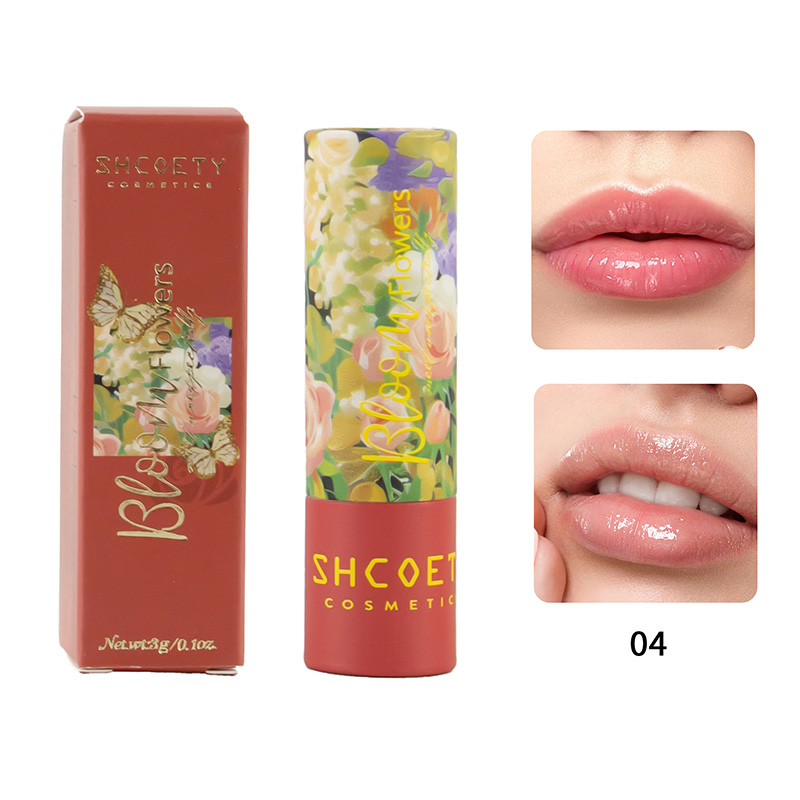
Lip oil products have gradually moved beyond a single-purpose glossy layer and are now expected to perform in more balanced ways across comfort and wear. Many users report concerns such as a heavy film feeling after repeated application, uneven spreading on drier lip areas, or incompatibility when layered with lipstick or lip liner.
Sensitive lips introduce another layer of consideration. External factors such as temperature changes, frequent wiping, and cosmetic layering can make texture perception more noticeable. In this context, formulation stability and sensory consistency become central points in product development discussions.
At the same time, beauty routines are becoming more multi-layered, with lip products expected to integrate into both minimal and more structured makeup looks. This creates a need for lip oil textures that remain stable without feeling overly dense or overly fluid during wear.
Within current Lip Oil development processes, texture refinement is often approached through multiple formulation and structure adjustments rather than a single modification. The focus is on balancing spreadability, surface feel, and ingredient compatibility.
These adjustments are typically evaluated together rather than individually, since texture perception is the result of combined structural behavior.
In practical use, Lip Oil is often applied in multiple routine contexts rather than a single fixed application style. For some users, it is used as a standalone product during low-makeup days to maintain a natural lip appearance. For others, it functions as a layering step over matte lip color to reduce dryness perception while preserving the base tone.
In office environments or extended outdoor use, reapplication frequency becomes an important factor in user satisfaction. A lightweight texture allows repeated application without noticeably accumulating thickness on the lips. At the same time, compatibility with existing lip products matters, especially when users switch between gloss, matte, and tinted formats throughout the day.
Night-time routines also represent a distinct usage scenario. Some users apply lip oil as part of a basic lip care step before sleep, where slower absorption and surface comfort are often prioritized over visual finish. These varied usage conditions require formulations that remain stable across different timing and environmental contexts.
In small-scale user evaluations conducted during development cycles, feedback tends to cluster around several consistent observations rather than isolated reactions. Participants often describe differences in how long the texture remains evenly distributed after application and how it interacts with natural lip movement during speaking or eating.
Common points include:
These observations are typically recorded alongside environmental conditions, since temperature and humidity can subtly influence how lip oil behaves on the skin surface.
A Professional Lip Oil Factory generally operates at the intersection of formulation testing, material selection, and production consistency control. Instead of focusing only on end texture, development workflows often include repeated iteration between laboratory formulation and pilot-scale production.
This includes aligning ingredient compatibility with production stability requirements, ensuring that texture characteristics remain consistent when scaled from small batches to larger manufacturing runs. Packaging integration also plays a role, since applicator design and filling processes can influence final product behavior.
In addition, communication between formulation teams and application testing groups helps refine texture targets based on real usage conditions rather than isolated laboratory readings. This feedback loop is particularly relevant for lip oil products, where sensory perception is closely tied to application experience.
Lip oil development reflects a broader shift in cosmetic formulation priorities, where texture experience is treated as a structured design element rather than a secondary outcome. Lightweight sensory profiles are increasingly explored not only for aesthetic reasons but also for usability across different skin types and environmental conditions.
At the same time, there is growing attention to how lip products interact within multi-step makeup routines. This includes compatibility with long-wear lipsticks, tinted balms, and hybrid skincare-makeup products. As a result, formulation teams are increasingly considering cross-product interaction during early-stage design.
Share:
Related Products

CONTACT US
 +86-13735915463
 +86-0578-6123999
18857730868
 +86-13735915463
 No.10 Shuguang Road,Wudu Industrial Area,Qingyuan County,Lishui City,Zhejiang Province, China
Mobile

Cosmetic Makeup Products Manufacturer