+86-13735915463
 Language
  Español
 русский
 中文简体
中文简体

 0
0
0
0
May 29, 2026
Lip Oil and formulations developed within a Professional Lip Oil Factory have been gradually adjusted to better align with daily lip care routines where comfort, layering behavior, and texture consistency are frequently evaluated by users across different environments. These adjustments reflect ongoing attention to how lip products interact with natural lip conditions throughout the day.
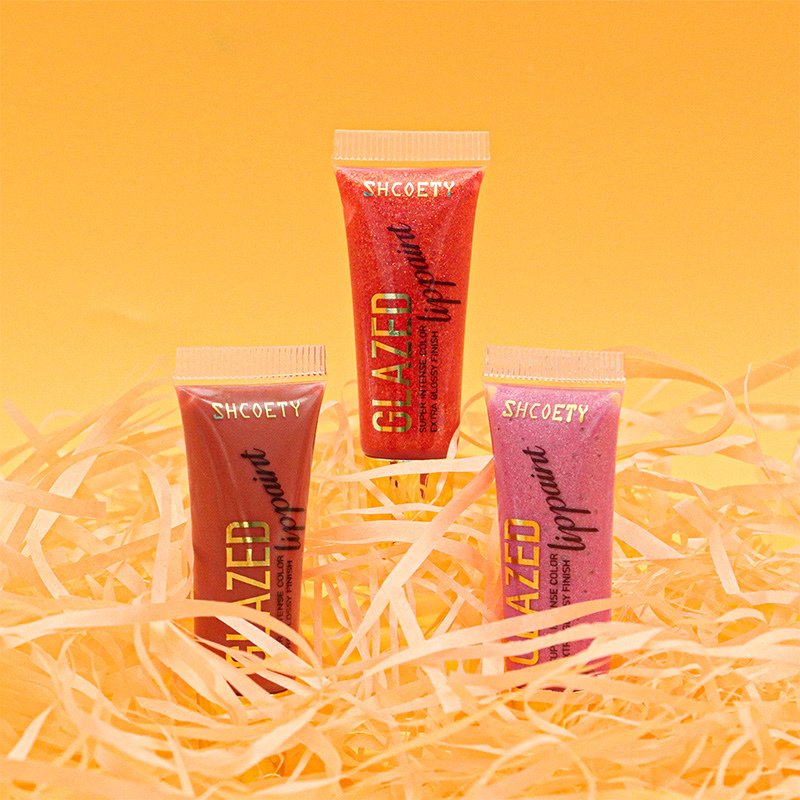
Lip care routines have shifted from occasional application to more frequent, structured use throughout the day. This change is influenced by increased awareness of lip surface dryness caused by environmental exposure, indoor air conditioning, and repeated cosmetic layering. As a result, users now tend to evaluate lip products not only by appearance but also by how they behave during extended wear.
In daily scenarios, lip products are often reapplied multiple times, especially in office environments, commuting periods, or outdoor conditions. This creates practical challenges such as product buildup, uneven texture perception after multiple applications, and discomfort when combining lip oil with other lip cosmetics like lipstick or lip balm. Sensitive lip conditions can make these issues more noticeable, particularly when textures vary under temperature or humidity changes.
Another factor is the increasing use of hybrid cosmetic routines. Lip products are no longer isolated steps but part of layered makeup sequences. This makes consistency in texture and compatibility between products an important consideration in formulation design and evaluation.
Within Lip Oil development, formulation adjustments are often made to improve how the product behaves during repeated daily use. Instead of focusing on a single sensory attribute, multiple structural elements are adjusted together to support balanced performance.
A Professional Lip Oil Factory typically explores the following areas during formulation refinement:
These adjustments are not treated separately but as interconnected factors that influence how lip oil performs in real-life routines. The goal is to maintain a steady user experience across different daily contexts without sudden changes in texture perception.
Lip Oil is commonly integrated into multiple stages of a personal care routine rather than being limited to a single use case. In morning routines, it is often applied as a preparatory step before lipstick or other lip color products. This helps create a smoother surface for subsequent application and can influence how evenly other lip products sit on the lips.
During daytime use, reapplication becomes a key factor. Many users apply lip oil in short intervals between work sessions, meals, or outdoor exposure. In these situations, lightweight texture behavior plays a role in how comfortable repeated application feels over time. Products that distribute evenly without accumulating noticeable layers are often preferred in routine use.
In evening routines, lip oil is sometimes used as a final step after makeup removal or as part of a basic lip maintenance sequence. In this context, users tend to focus more on surface comfort and consistency rather than visual shine or gloss level.
The versatility of lip oil in these different time periods shows how it functions as both a cosmetic and routine-based product, adapting to changing user needs throughout the day.
Controlled usage evaluations provide structured observations of how lip oil behaves under repeated application conditions. These evaluations typically involve participants using lip oil across different daily activities such as office work, outdoor commuting, and indoor relaxation periods.
Common observation points include:
For example, in multi-day usage observations, participants often noted that perception of heaviness or residue was more closely related to reapplication frequency than to single-use application. This suggests that consistency across multiple uses may be more relevant than isolated application experience.
In another set of observations, users with naturally drier lips reported that spreadability differences became more noticeable during colder or low-humidity environments, indicating that environmental factors play a role in texture perception.
Q1: How often can lip oil be applied in a day?
Lip oil can generally be used multiple times depending on individual routine needs. Application frequency is often influenced by environmental conditions and personal comfort preference.
Q2: Can lip oil be used under lipstick?
Yes, it is commonly applied as a base layer before lipstick to support smoother application and more even spreading of lip color products.
Q3: Why does lip oil feel different after reapplication?
Texture perception can change due to accumulated layers, natural lip movement, and interaction with previously applied lip products.
Q4: Is lip oil suitable for sensitive lip conditions?
Many formulations are designed with sensitivity considerations in mind, focusing on ingredient balance and surface behavior. Individual responses may still vary.
Q5: Does environment affect lip oil performance?
Temperature and humidity can influence how lip oil spreads and settles on the lips, which may affect texture perception during use.
Q6: How should lip oil be stored for consistent use?
It is generally recommended to store it in a stable environment away from direct heat or sunlight to maintain consistent texture behavior over time.
Share:
Related Products

CONTACT US
 +86-13735915463
 +86-0578-6123999
18857730868
 +86-13735915463
 No.10 Shuguang Road,Wudu Industrial Area,Qingyuan County,Lishui City,Zhejiang Province, China
Mobile

Cosmetic Makeup Products Manufacturer