+86-13735915463

 Language
 Español
 русский
 中文简体


 0
0
Oct 23, 2026
Waterproof mascara remains an important option for consumers who want defined lashes during humid weather, outdoor activities, and long days. However, resistance to moisture is only one part of the product experience. Consumers also care about clumping, flaking, removal difficulty, and brush control. As a Professional Mascara Factory, we help overseas beauty brands evaluate formula performance, applicator design, and packaging compatibility to develop mascara products suited to their target markets.
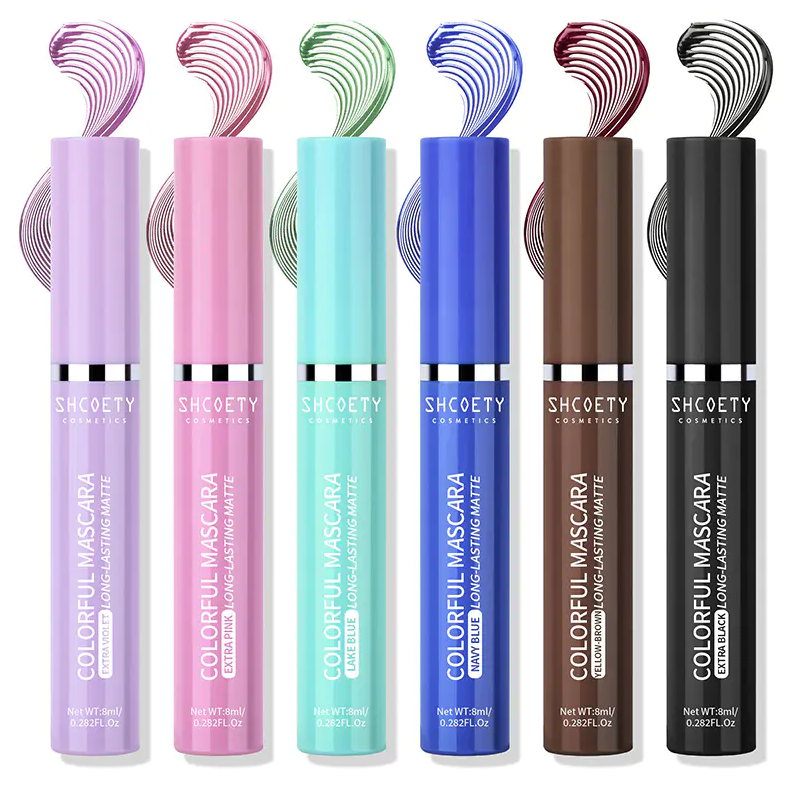
Mascara can transfer or lose definition when exposed to humidity, facial oils, or moisture. Waterproof formulations are designed to improve resistance under specified conditions, but performance varies according to the formula and application method.
During development, manufacturers need to assess drying time, film formation, and wear performance. Brands should also distinguish between waterproof and water-resistant claims, ensuring that product descriptions accurately reflect verified testing results.
A formula that stays in place throughout the day should also fit the consumer's preferred removal routine. Some waterproof mascaras require an oil-based makeup remover, while other formulations may offer different removal options.
Clear usage instructions can help consumers select a suitable cleansing method and avoid excessive rubbing around the delicate eye area. For brands targeting everyday makeup users, removal convenience can be an important factor when positioning a product.
Brush design influences how evenly mascara coats the lashes. Poor compatibility between the applicator and formula can lead to excess product buildup, uneven coverage, or difficulty reaching shorter lashes.
Common options include:
Testing the brush together with the selected formula helps manufacturers identify application issues before production.
Waterproof mascara requires careful quality evaluation to maintain consistent texture and application performance. Changes in viscosity can affect how much product the brush collects and how smoothly it spreads across the lashes.
Manufacturing checks should cover raw material quality, batch consistency, filling accuracy, container sealing, and compatibility between the formula and packaging components. Appropriate stability testing can also help identify changes in product appearance or performance during storage.
Consumer preferences vary across regions. Some customers prefer dramatic volume for evening makeup, while others favor natural definition for daily wear. Climate, retail positioning, and local beauty trends can also influence purchasing decisions.
For private label projects, buyers should establish the desired lash effect, wear expectations, packaging style, and target price before finalizing a product specification. This makes it easier to compare samples and select a formulation that fits the intended market.
When choosing an OEM mascara manufacturer, overseas buyers should evaluate technical capabilities alongside pricing and minimum order quantities. Sample development, customization options, quality documentation, production scheduling, and communication all contribute to a smoother sourcing process.
Providing clear requirements at the beginning can reduce unnecessary sample revisions and help align expectations between the buyer and manufacturer. Product claims and regulatory documentation should also be reviewed for each intended sales market.
Developing effective waterproof mascara requires more than improving moisture resistance. Formula stability, brush compatibility, removal experience, and consistent production quality all influence customer satisfaction. By addressing these factors during product development, brands can build products around specific consumer needs. An experienced Professional Mascara Factory can support overseas buyers with formulation evaluation, OEM customization, and manufacturing quality control to bring commercially relevant mascara products to market.
Share:

CONTACT US
 +86-13735915463
 +86-0578-6123999
18857730868
 +86-13735915463
 No.10 Shuguang Road,Wudu Industrial Area,Qingyuan County,Lishui City,Zhejiang Province, China
Mobile

Cosmetic Makeup Products Manufacturer