+86-13735915463
 Language
  Español
 русский
 中文简体
中文简体

 0
0
0
0
Oct 16, 2026
Beauty brands are paying closer attention to ingredient transparency, eye-area comfort, and packaging functionality as consumers become more selective about their makeup products. For mascara buyers, these expectations create new challenges in balancing formula performance, product safety, and production costs. As a Professional Mascara Factory, we help brands evaluate formulation options and packaging designs to develop mascara products that align with their target audiences and market positioning.
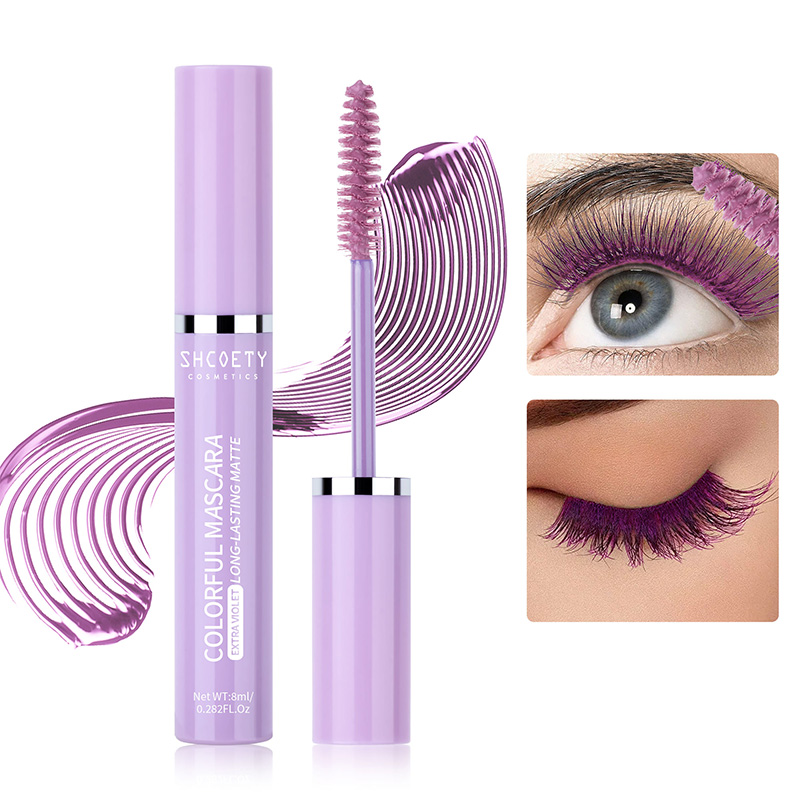
Consumers increasingly want to understand what goes into their cosmetics, particularly products applied close to the eyes. Brands can respond by providing clear ingredient information and ensuring that product claims are supported by appropriate evidence.
For manufacturers, formulation decisions should consider ingredient compatibility, product stability, and intended use. Vegan formulations and products developed without selected ingredients may also appeal to specific customer groups, provided the claims accurately reflect the finished product.
Mascara needs to deliver the desired visual effect without compromising its suitability for the intended use. Consumers may experience different results depending on their application habits, skin sensitivity, and contact lens use.
During product development, brands should evaluate application smoothness, drying behavior, removal methods, and formula stability. Appropriate safety assessments are essential, and products should not be marketed as hypoallergenic or suitable for sensitive eyes without sufficient supporting evidence.
Packaging waste remains an important consideration for beauty brands reviewing their product portfolios. Mascara packaging presents particular challenges because the container, brush, wiper, and residual formula may involve different materials.
Buyers can explore options such as reducing unnecessary outer packaging, selecting appropriately designed recyclable components, or evaluating alternative materials. However, recyclability depends on the actual material combination and local recycling infrastructure. Packaging changes must also preserve product protection and compatibility.
The mascara brush affects coverage, lash separation, and the amount of formula applied. A large brush may suit volumizing products, while a slim applicator can provide greater control around shorter lashes. Silicone brushes may also be considered when precise separation is a priority.
As a manufacturer, we recommend testing the brush and formula as a complete system. Evaluating product pickup, application consistency, and wiper performance can help reduce clumping and improve the overall user experience.
Consistent manufacturing helps brands maintain product specifications across batches. Key checkpoints include raw material inspection, formula consistency, filling accuracy, container compatibility, and finished-product appearance.
Stability testing and packaging evaluations should be conducted under suitable conditions. Buyers should also confirm that product documentation and safety requirements meet the regulations of their intended sales markets before launching a new mascara line.
Private label and OEM mascara projects require coordination between formulation, packaging, branding, and production planning. Before requesting quotations, buyers should define the target consumer, desired lash effect, packaging preferences, order quantity, and expected delivery schedule.
Working closely with an experienced manufacturer can help identify technical limitations early, improve sample evaluation, and reduce unnecessary revisions. Clear specifications also make supplier comparisons more meaningful than price alone.
Ingredient transparency, functional packaging, and dependable performance are important considerations for modern beauty brands. Manufacturers must translate these expectations into products that are technically feasible, consistent, and suitable for their intended markets. A reliable Professional Mascara Factory can support this process through formulation guidance, packaging coordination, and OEM customization, helping overseas buyers develop mascara collections with clear product positioning and practical commercial value.

CONTACT US
 +86-13735915463
 +86-0578-6123999
18857730868
 +86-13735915463
 No.10 Shuguang Road,Wudu Industrial Area,Qingyuan County,Lishui City,Zhejiang Province, China
Mobile

Cosmetic Makeup Products Manufacturer