+86-13735915463
 Language
  Español
 русский
 中文简体
中文简体

 0
0
0
0
Oct 09, 2026
As consumers look for mascara that delivers defined lashes, comfortable wear, and easy removal, beauty brands are exploring new formulations and applicator designs. Smudge-resistant products, tubing mascara, and customizable packaging are attracting attention across the beauty market. As a Professional Mascara Factory, we help overseas brands develop mascara products that address everyday makeup concerns while supporting private label and OEM requirements.
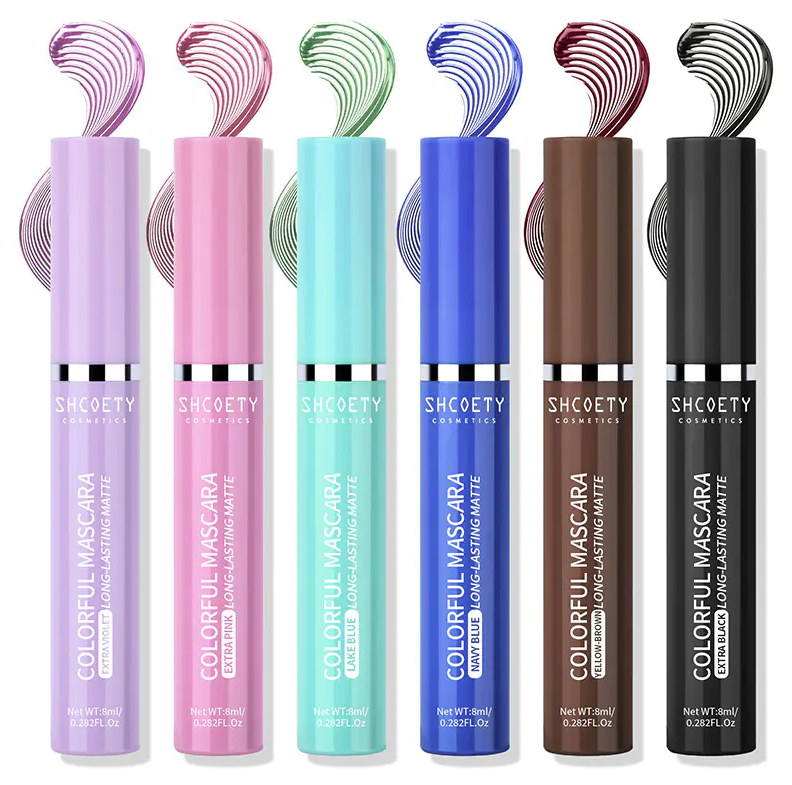
Smudging, flaking, and clumping can affect customer satisfaction and repeat purchases. To address these issues, brands should consider the relationship between formula composition, drying time, and brush design. Waterproof mascara may suit consumers who need moisture resistance, while tubing mascara can offer a practical option for those seeking defined lashes and easier removal with warm water.
Product claims should always reflect actual performance under appropriate testing conditions.
Different mascara types serve different beauty preferences. Lengthening formulas help create a more elongated lash appearance, while volumizing products provide a fuller look. Curling mascara supports a lifted effect, and precision formulas can help separate individual lashes.
For international buyers, choosing the right combination of formula and intended use is essential. Understanding local climate conditions, consumer habits, and target retail prices can help brands develop more relevant product ranges.
The applicator plays an important role in how mascara performs. Slim brushes can improve control around short lashes, while densely arranged bristles may help build volume. Curved brushes are designed to follow the lash line, and silicone applicators can support lash separation.
As a manufacturer, we evaluate brush shape, bristle arrangement, formula viscosity, and product pickup together. This approach helps reduce common application problems, including uneven coverage and excessive product buildup.
Reliable quality control is essential for mascara production. Variations in texture, filling volume, or packaging compatibility may affect the finished product and consumer experience.
Our manufacturing process focuses on raw material inspection, formula consistency, filling accuracy, packaging compatibility, and finished-product evaluation. Stability testing and appropriate safety assessments also help determine whether a product meets its intended specifications and destination-market requirements.
Mascara packaging should combine visual appeal with practical performance. Buyers need to consider the brush accessibility, wiper design, cap closure, and container compatibility. These details influence product application and help control the amount of formula deposited on the brush.
For private label projects, customized colors, logos, finishes, and container styles can strengthen brand identity. Discussing packaging requirements early also helps buyers assess tooling needs, minimum order quantities, and production feasibility.
When evaluating an OEM mascara supplier, overseas buyers should look beyond unit pricing. Formula customization, sample availability, quality documentation, production lead times, and communication are important considerations.
Before placing an order, clarify the target market, desired lash effect, packaging specifications, and applicable regulatory requirements. Testing samples against agreed performance criteria can help identify potential issues before mass production.
Successful mascara development starts with understanding consumer needs and translating them into practical product specifications. By combining suitable formulations, carefully selected brushes, functional packaging, and consistent quality management, brands can build products that stand out in competitive beauty markets. An experienced Professional Mascara Factory can support overseas buyers with OEM development and private label customization, helping turn product concepts into market-ready mascara solutions.
Related Products

CONTACT US
 +86-13735915463
 +86-0578-6123999
18857730868
 +86-13735915463
 No.10 Shuguang Road,Wudu Industrial Area,Qingyuan County,Lishui City,Zhejiang Province, China
Mobile

Cosmetic Makeup Products Manufacturer