+86-13735915463
 Language
  Español
 русский
 中文简体
中文简体

 0
0
0
0
Oct 02, 2026
For a Professional Lip Gloss Factory, developing a market-ready lip product now involves more than creating an attractive shade. Beauty buyers are paying closer attention to texture, comfort, finish, ingredients, packaging, and how easily a product can translate into social media content. Recent beauty coverage points to continued interest in glossy lips, nourishing textures, hybrid lip products, and softer color effects, creating new requirements for brands and their manufacturing partners.
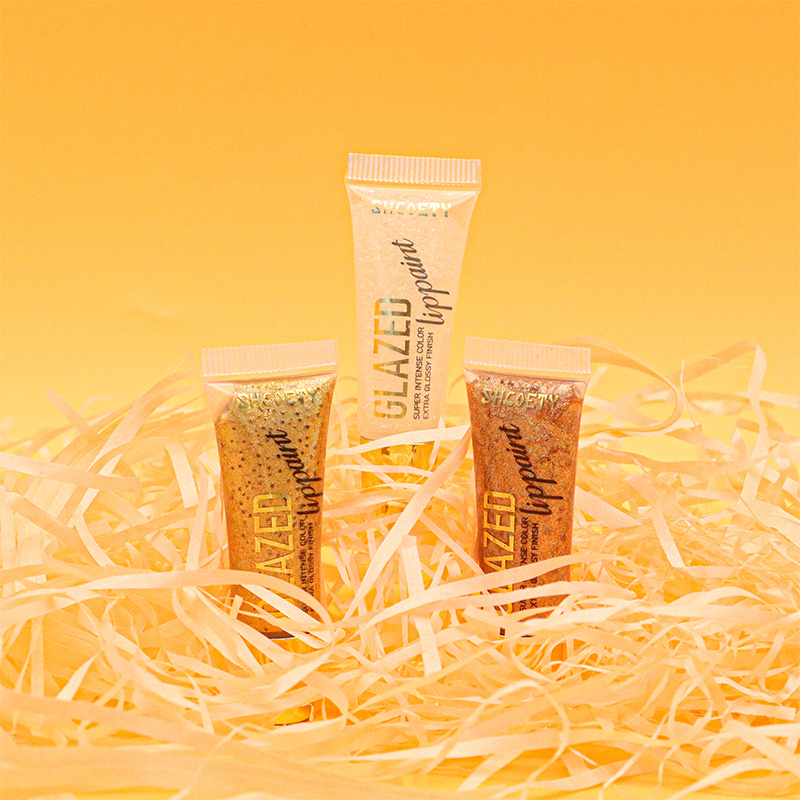
High-shine lip products remain attractive, but consumers do not necessarily want a formula that feels heavy or overly sticky. For product developers, this makes the balance between shine, spreadability, adhesion, and after-feel an important formulation challenge.
A practical development process should evaluate how the gloss applies, how evenly it covers the lips, and how the texture changes after several minutes of wear. A formula that looks glossy in the package but feels difficult to wear may create problems for repeat sales and customer reviews.
The distinction between makeup and lip care is becoming less obvious. Industry discussions increasingly highlight lip oils, balms, glosses, and hybrid products that combine cosmetic color with a more comfortable care-oriented experience.
For brands, this creates opportunities to develop lip gloss formulas around different product concepts, such as:
Color selection is another area where private-label brands need flexibility. Current beauty content shows interest in sheer berry shades, soft pinks, glossy clear finishes, and more expressive seasonal colors.
Instead of building an entire line around one color direction, brands can work with a manufacturer on coordinated shade families. This allows different markets, customer groups, and product collections to share a consistent visual identity while maintaining enough variety for online presentation.
Lip gloss packaging has become increasingly connected with beauty content and personal styling. Product appearance, applicator design, cap details, and portability can all affect how easily a product fits into social media photography and everyday routines. Industry coverage has also highlighted decorative and wearable approaches to lip product packaging.
From a manufacturing perspective, packaging should therefore be considered together with the formula. Applicator compatibility, filling behavior, closure performance, decoration requirements, and formula viscosity all need to work together rather than being developed separately.
For overseas brands, the biggest challenge is often turning a creative product idea into a stable manufacturing specification. A professional manufacturer can help evaluate formulation, packaging compatibility, color matching, filling requirements, and product consistency during development.
Clear communication is especially important when brands request custom textures or visual effects. Samples should be reviewed not only for appearance but also for application, spread, finish, scent, packaging fit, and overall user experience.
A flexible OEM and ODM process allows brands to create products for different positioning without rebuilding the entire development process from scratch. A manufacturer can support variations in shade, finish, packaging style, applicator, and formula concept according to the intended market.
For private-label beauty companies, this approach can make it easier to develop coordinated collections while keeping each product visually and functionally distinctive. It also gives purchasing teams a clearer framework for comparing samples before confirming production.
The current direction of the lip makeup category shows that visual appeal and product performance need to work together. Glossy finishes, comfortable textures, hybrid concepts, flexible shades, and presentation-focused packaging are becoming important considerations for product development.
For brands seeking a Professional Lip Gloss Factory, working directly with an experienced manufacturer can simplify the process from formula development and sample testing to packaging coordination and finished-product production.
Share:
Related Products

CONTACT US
 +86-13735915463
 +86-0578-6123999
18857730868
 +86-13735915463
 No.10 Shuguang Road,Wudu Industrial Area,Qingyuan County,Lishui City,Zhejiang Province, China
Mobile

Cosmetic Makeup Products Manufacturer