+86-13735915463

 Language
 Español
 русский
 中文简体


 0
0
Nov 13, 2026
Eyeliner is a daily-use cosmetic product, but its storage stability and packaging design can create challenges for beauty brands and distributors. Liquid eyeliner, gel eyeliner, and pencil eyeliner each have different storage and usage requirements. For overseas buyers, selecting a suitable product means looking beyond appearance and color. Formula stability, packaging protection, applicator performance, and production consistency all influence the purchasing decision. A reliable Professional Eyeliner Factory should understand these requirements and help buyers reduce potential quality problems before products reach retail shelves.

Liquid eyeliner can be affected by temperature changes, air exposure, and improper storage. If the formula becomes too thick or dries inside the container, customers may experience uneven application or difficulty drawing smooth lines.
For manufacturers, formula stability should be considered during product development. Testing should focus on texture changes, color consistency, drying performance, and compatibility with the selected packaging.
These checks are particularly important for overseas brands because products may experience different transportation and warehouse conditions before reaching their final destinations.
Packaging is not only about visual presentation. It also affects how well an eyeliner maintains its usability during storage and daily application.
For example, liquid eyeliner pens need properly fitted caps to reduce air exposure and prevent leakage. Containers should also be compatible with the formula to avoid unwanted material interactions.
When developing private label eyeliner products, buyers should consider:
Discussing these details before mass production can help avoid unnecessary packaging changes later.
Not every eyeliner product should follow the same inspection approach. Liquid eyeliner needs attention to ink flow and drying time, while gel eyeliner requires a smooth texture and suitable application consistency.
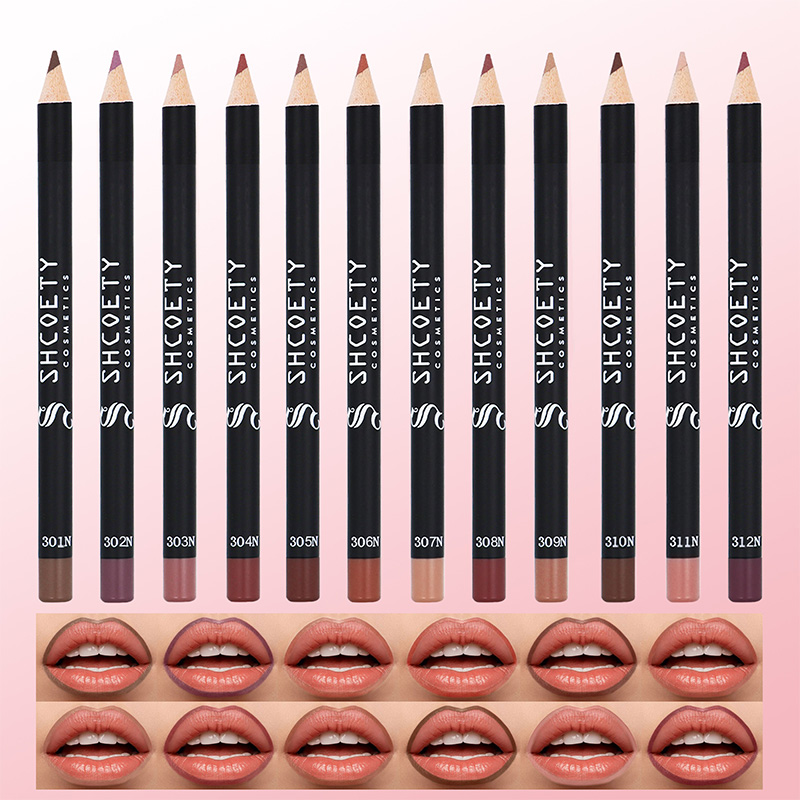
Pencil eyeliner should be checked for tip strength, smoothness, and ease of sharpening where applicable.
As a manufacturer, we recommend evaluating the finished product according to its actual usage. This helps buyers understand whether a product is suitable for everyday makeup, professional makeup applications, or retail gift collections.
Bulk eyeliner orders involve several details that should be confirmed before production begins. Buyers who rely only on sample appearance may overlook issues that become noticeable during larger production runs.
A practical purchasing process should include:
Clear communication between the buyer and factory helps reduce misunderstandings and supports more predictable order management.
Beauty brands often need different eyeliner collections for different customer groups. Some markets may prefer waterproof black liquid eyeliner, while others may show interest in brown eyeliner, colored pencils, or multi-product eye makeup sets.
OEM and ODM services allow buyers to discuss formula selection, color options, applicator styles, logo printing, and packaging customization. Instead of purchasing a fixed product range, brands can develop products that fit their own positioning and sales channels.
Before confirming a supplier, procurement teams should ask about available product formats, sample development, customization options, minimum order quantities, quality inspections, and export experience.
It is also useful to clarify whether the factory can coordinate formula and packaging development. This can make communication easier and help buyers manage product specifications throughout the purchasing process.
A successful eyeliner collection depends on more than attractive packaging or competitive purchasing costs. Formula stability, applicator performance, packaging compatibility, and consistent production all contribute to the finished product. Working with a dependable Professional Eyeliner Factory gives beauty brands, wholesalers, and importers an opportunity to develop customized eyeliner products while building a more organized and reliable supply process.
Share:
Related Products

CONTACT US
 +86-13735915463
 +86-0578-6123999
18857730868
 +86-13735915463
 No.10 Shuguang Road,Wudu Industrial Area,Qingyuan County,Lishui City,Zhejiang Province, China
Mobile

Cosmetic Makeup Products Manufacturer