+86-13735915463

 Language
 Español
 русский
 中文简体


 0
0
Nov 06, 2026
The global eye makeup market is seeing renewed interest in expressive looks, from graphic eyeliner and bold cat eyes to softer smudged finishes and colored liners. As beauty trends spread rapidly across TikTok, Instagram, and Pinterest, brands are facing a practical challenge: developing eyeliner products that combine visual appeal, comfortable application, reliable performance, and consistent quality. For buyers working with a Professional Eyeliner Factory, understanding these changing expectations is essential when planning new product collections and private-label launches.
Recent beauty trends show that consumers are becoming more experimental with eye makeup. Graphic lines, reverse cat eyes, colorful eyeliner, and distinctive winged effects are gaining attention across social platforms.
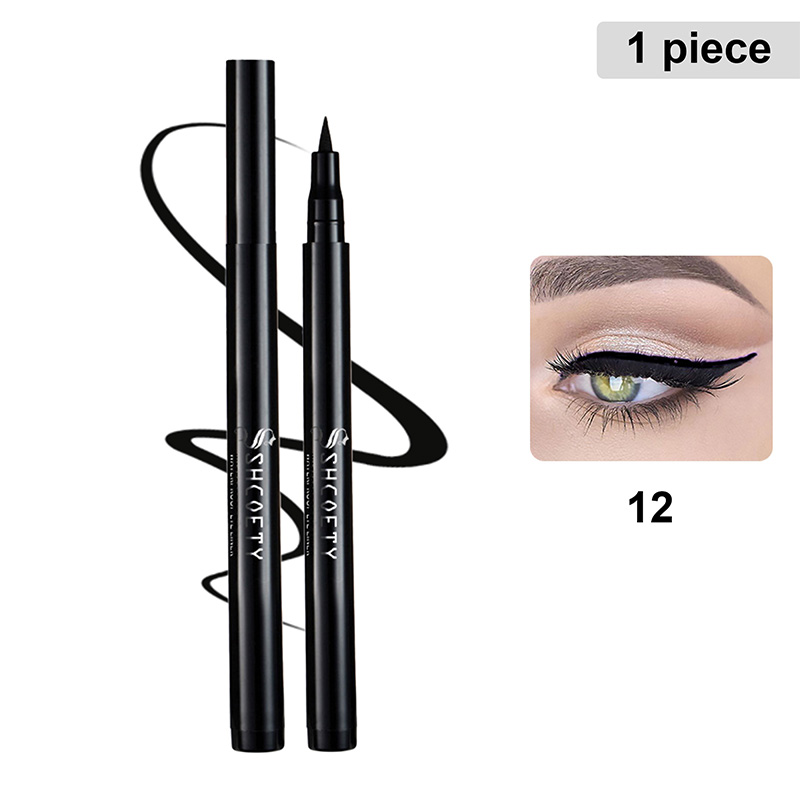
These styles require different product characteristics. A liquid eyeliner with a fine brush tip supports detailed designs, while a felt-tip eyeliner pen offers convenient control for everyday use. Gel eyeliner pencils provide another option for creating softer or more defined effects.
For beauty brands, offering several eyeliner formats and shades can help address different customer preferences without relying on a single product style.
Even when consumers choose creative makeup styles, application convenience remains important. Uneven lines, inconsistent ink flow, and difficult-to-control applicators can affect the user experience.
During product development, we recommend paying attention to several details:
These details influence product reviews, repeat purchases, and brand reputation in competitive beauty markets.
Long-wear makeup continues to attract attention, particularly among consumers looking for products that remain presentable throughout busy daily routines. Waterproof eyeliner and smudge-resistant formulas are therefore important product development directions.
However, these claims should be supported by appropriate performance testing rather than marketing language alone. Manufacturers need to evaluate drying behavior, transfer resistance, wear performance, and formula stability under relevant conditions.
For overseas buyers, requesting product samples and reviewing test results can help identify whether an eyeliner meets the intended market positioning.
Because eyeliner is applied close to the eyes, ingredient selection and product hygiene deserve particular attention. Buyers should consider formulation documentation, raw material traceability, microbiological controls, and packaging protection when evaluating a supplier.
A Professional Eyeliner Factory should also understand the regulatory requirements of the destination market. For example, cosmetic products sold in the United States and European Union are subject to different regulatory frameworks covering product safety, ingredients, and labeling.
Clear ingredient information and appropriate safety assessments can reduce compliance risks during product development and market entry.
Black eyeliner remains a familiar choice, but beauty content is encouraging interest in brown, burgundy, navy, and other distinctive shades. This creates opportunities for brands to develop collections around different makeup styles and customer groups.
When planning a private-label eyeliner range, buyers can consider:
Shade consistency between production batches should also be checked to maintain a recognizable product appearance.
Beyond product appearance and quotation, overseas buyers need to understand how a supplier manages product development and production quality.
Important questions include whether the factory can support different eyeliner formats, provide samples for evaluation, maintain consistent filling and packaging processes, and supply relevant ingredient and compliance documentation.
Communication about formula adjustments, applicator selection, packaging requirements, and private-label details also helps prevent misunderstandings before bulk production begins.
The changing beauty landscape is creating opportunities for brands that combine creative product concepts with dependable product performance. Precision application, comfortable wear, shade variety, packaging reliability, and regulatory preparation all deserve attention during development. Working with a capable Professional Eyeliner Factory allows overseas buyers to translate emerging makeup preferences into practical product collections while maintaining consistent manufacturing standards.
Share:
Related Products

CONTACT US
 +86-13735915463
 +86-0578-6123999
18857730868
 +86-13735915463
 No.10 Shuguang Road,Wudu Industrial Area,Qingyuan County,Lishui City,Zhejiang Province, China
Mobile

Cosmetic Makeup Products Manufacturer