+86-13735915463
 Language
  Español
 русский
 中文简体
中文简体

 0
0
0
0
Mar 13, 2026
Frequent travelers quickly learn that climate shifts, cabin pressure, and long transit hours can affect skin comfort in unexpected ways. As a Professional Lip Balm Factory and Professional Mascara Factory, we observe how portable cosmetics are selected not only for appearance but also for practicality. Among all small personal care items packed into a carry-on or handbag, lip balm consistently proves to be one of the useful. Its compact size, protective function, and compatibility with other makeup products make it a practical addition to any travel kit.
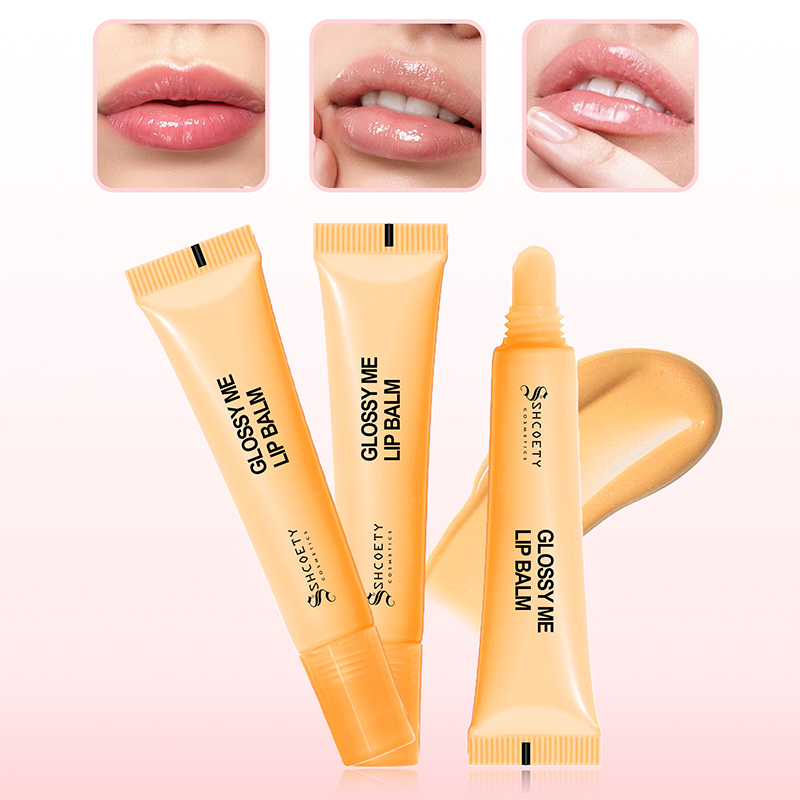
Air travel exposes passengers to low humidity levels inside aircraft cabins. Humidity in-flight is often significantly lower than typical indoor environments, which can accelerate moisture loss from the skin. Lips are particularly vulnerable because they lack oil glands that naturally replenish surface moisture.
Travel does not only involve flights. Moving between regions with different climates—such as from humid coastal areas to dry mountain environments—can also disrupt skin balance. Outdoor sightseeing, wind exposure, and sun exposure may further contribute to dryness.
When lips become dehydrated, discomfort can develop quickly. Tightness, peeling, and cracking may interfere with speaking, eating, and applying lip color. Lip balm serves as a simple protective layer that helps reduce moisture evaporation and supports surface comfort. For travelers who cannot predict environmental conditions in advance, having lip balm readily available reduces the likelihood of dealing with chapped lips during important meetings, events, or sightseeing plans.
Travel kits are often limited by space and weight restrictions. Each item must justify its inclusion. Lip balm stands out because it combines portability with everyday functionality.
A well-formulated lip balm is:
Unlike liquid cosmetics that may be restricted by airline regulations, solid or semi-solid lip balms typically comply with carry-on requirements. Stick packaging also reduces the risk of leakage compared to fluid products stored under cabin pressure changes.
From a manufacturing perspective, a Professional Lip Balm Factory focuses on texture stability to ensure the balm does not soften excessively in warm destinations or become too hard in colder climates. Controlled melting points and stable wax blends contribute to consistent performance across varying temperatures.
Travel often involves photographs, business meetings, or social gatherings. Even minimal makeup can contribute to a polished look. However, applying lipstick on dry or cracked lips may result in uneven color and visible flakes.
Lip balm prepares the surface by softening rough texture and creating a smoother base. When applied a few minutes before lipstick, it can help color products spread more evenly. Blotting lightly before applying lip color prevents excessive slip while maintaining comfort.
Although mascara is primarily designed to define and volumize lashes, it also plays a role in simplified travel makeup routines. A Professional Mascara Factory develops formulas that resist smudging and flaking, which is important during long travel days when touch-ups are limited. When paired with hydrated lips, defined lashes can create a balanced, put-together appearance even with minimal products.
For travelers who prefer lightweight packing, carrying lip balm and mascara together allows for quick grooming adjustments without a full cosmetic bag.
Different travel scenarios may call for slightly different formulations. Instead of selecting a product based solely on branding, consider the conditions you are likely to encounter.
For air travel and dry climates:
For sunny destinations:
Consider lip balms with added sun protection factors if extended outdoor exposure is expected.
For cold-weather travel:
Slightly thicker textures may provide more durable surface coverage against wind.
A Professional Lip Balm Factory evaluates ingredient compatibility, filling accuracy, and packaging durability to ensure consistent texture and hygiene. Secure caps and twist mechanisms are important to prevent contamination or accidental damage inside bags.
Travel often involves shared accommodations, public transportation, and frequent hand contact with surfaces. Lip products come into direct contact with the mouth, making hygiene particularly important.
Stick or squeeze-tube packaging reduces exposure compared to open pots that require finger application. For added cleanliness, applying lip balm after hand sanitizing can reduce the transfer of bacteria.
Mascara hygiene also requires attention during travel. Avoid pumping the brush repeatedly, as this introduces air and may dry out the formula. Replace mascara according to usage guidelines, especially if eye irritation occurs during travel.
Share:
Related Products

CONTACT US
 +86-13735915463
 +86-0578-6123999
18857730868
 +86-13735915463
 No.10 Shuguang Road,Wudu Industrial Area,Qingyuan County,Lishui City,Zhejiang Province, China
Mobile

Cosmetic Makeup Products Manufacturer