+86-13735915463

 Language
 Español
 русский
 中文简体


 0
0
Nov 23, 2026
For cosmetic brands and beauty distributors, eyeliner quality complaints can affect customer satisfaction, product reviews, and repeat orders. Problems such as dried-out liquid eyeliner, broken pencil tips, uneven color application, and leaking containers may seem minor during sampling but can become more noticeable in bulk shipments. Choosing a suitable supplier therefore requires attention to both product development and manufacturing quality control. A reliable Professional Eyeliner Factory should help buyers identify potential issues before production and establish clear standards for finished products.
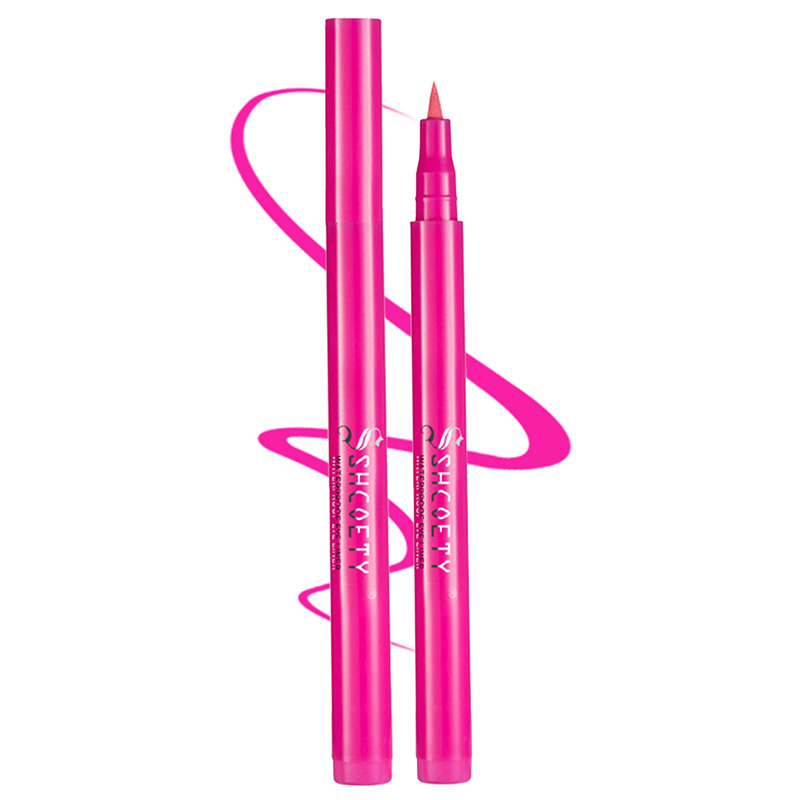
Different eyeliner formats have different quality risks. Liquid eyeliner may experience ink flow problems, while gel eyeliner can become difficult to apply if its texture changes. Pencil eyeliner may break during use or produce an uneven line.
Manufacturers need to understand how these problems develop rather than relying only on visual inspection. Evaluating application performance, packaging condition, and product stability helps identify issues that could affect the final user experience.
A suitable formula does not automatically guarantee a good eyeliner product. The applicator must work properly with the formula to deliver a controlled and consistent application.
For liquid eyeliner, manufacturers should check whether the brush or felt tip distributes the formula evenly. For gel products, the texture should allow smooth application without excessive pulling. Pencil eyeliner should provide a suitable balance between softness and structural strength.
During sample evaluation, buyers should pay attention to:
Packaging problems can create unnecessary after-sales costs for overseas distributors. Loose caps, damaged containers, poor printing, and leakage may affect both product usability and retail presentation.
For this reason, packaging inspection should be included in the manufacturing process. Particular attention should be given to cap fitting, sealing performance, container condition, and the protection provided by individual packaging.
Buyers should also confirm that the approved packaging materials and artwork match the specifications used in bulk production.
A product sample gives buyers an opportunity to evaluate the actual user experience before committing to a larger order. However, sample approval should cover more than color and appearance.
We recommend checking the following aspects:
Once the sample is approved, the product specifications should be clearly documented. This provides a reference for subsequent production and repeat purchasing.
Overseas buyers may face different regulatory and customer requirements depending on their sales destinations. Ingredient declarations, cosmetic labeling, product claims, and safety documentation should therefore be discussed early.
For example, a brand selling through online marketplaces may need clear ingredient information and product images, while a retail distributor may place greater emphasis on packaging consistency and barcode requirements.
A manufacturer that understands these purchasing concerns can help buyers prepare product specifications more efficiently.
Private-label buyers may require different formulas, colors, applicators, and packaging designs to distinguish their collections. OEM and ODM cooperation provides opportunities to develop products around these requirements.
Before starting customization, buyers should confirm the target price range, intended customer group, product format, packaging preferences, and order quantity. Clear specifications make communication between the purchasing team and factory more efficient.
Reducing quality complaints starts before mass production. Formula evaluation, applicator testing, packaging inspection, and sample approval all contribute to a more controlled purchasing process. Working with an experienced Professional Eyeliner Factory helps beauty brands, wholesalers, and importers coordinate these requirements and develop eyeliner products with consistent specifications. A clear manufacturing and inspection process also provides a practical foundation for repeat orders and long-term business cooperation.
Share:

CONTACT US
 +86-13735915463
 +86-0578-6123999
18857730868
 +86-13735915463
 No.10 Shuguang Road,Wudu Industrial Area,Qingyuan County,Lishui City,Zhejiang Province, China
Mobile

Cosmetic Makeup Products Manufacturer